
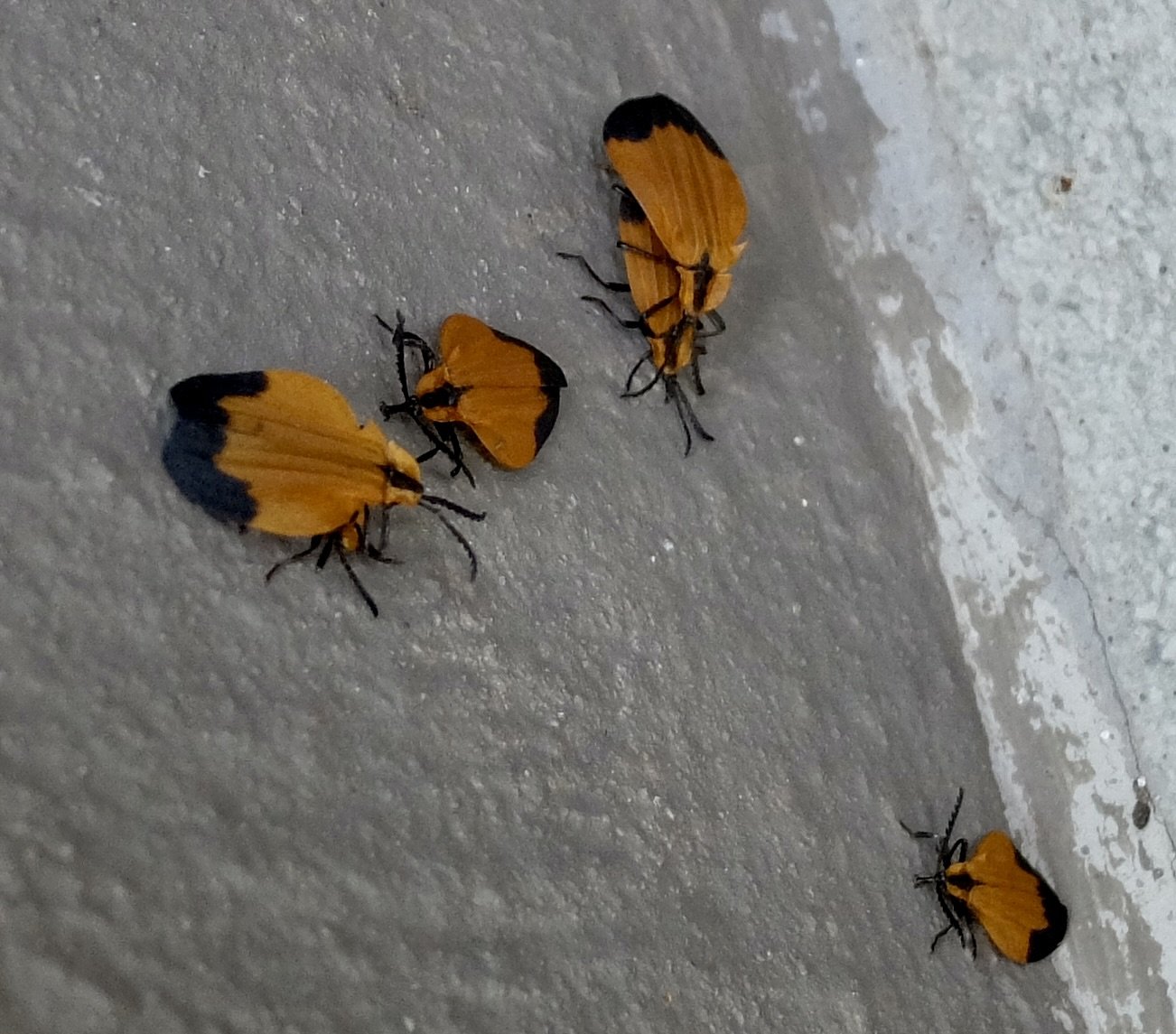
Lycus is the type genus of Old World net-winged beetles in the Lycidae family and the tribe Lycini: found in Africa and the Americas.
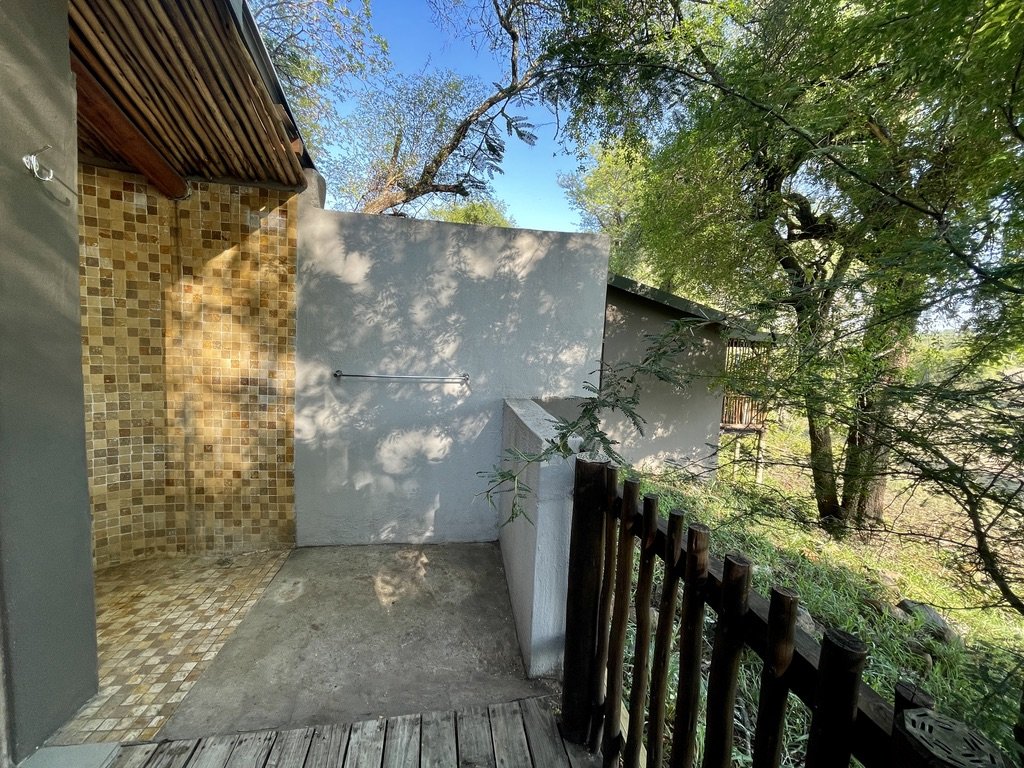
This little specimen kept me company while I was in the outdoor shower.
Notten's Bush Camp, Sabi Sand Nature Reserve, South Africa.
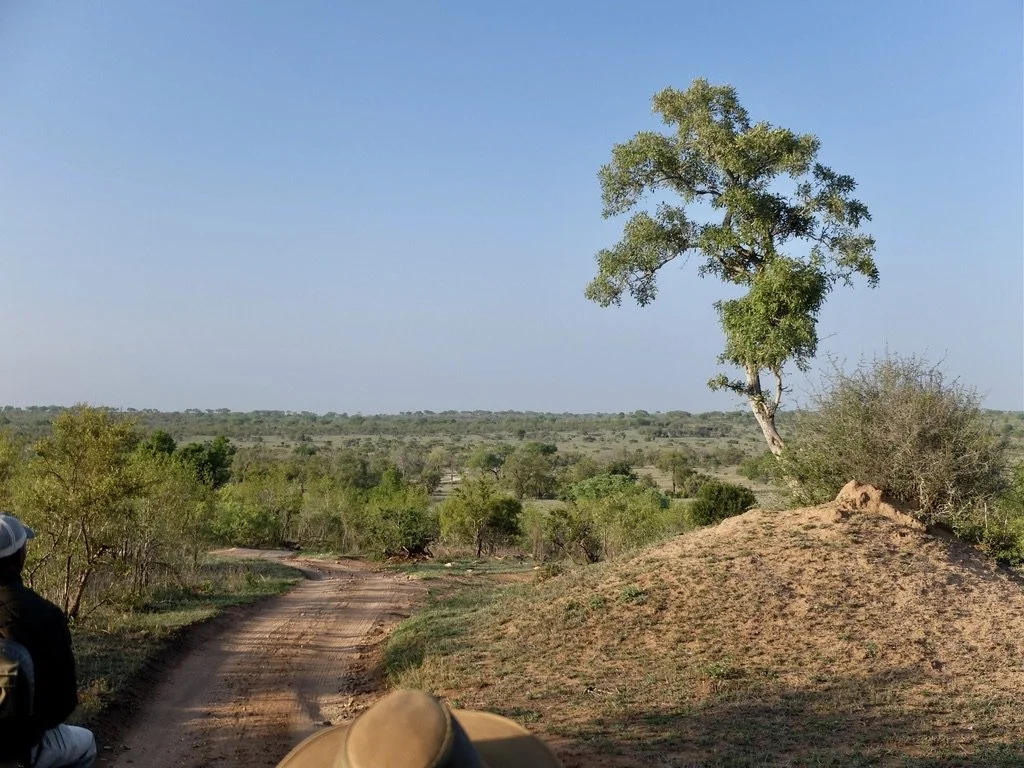
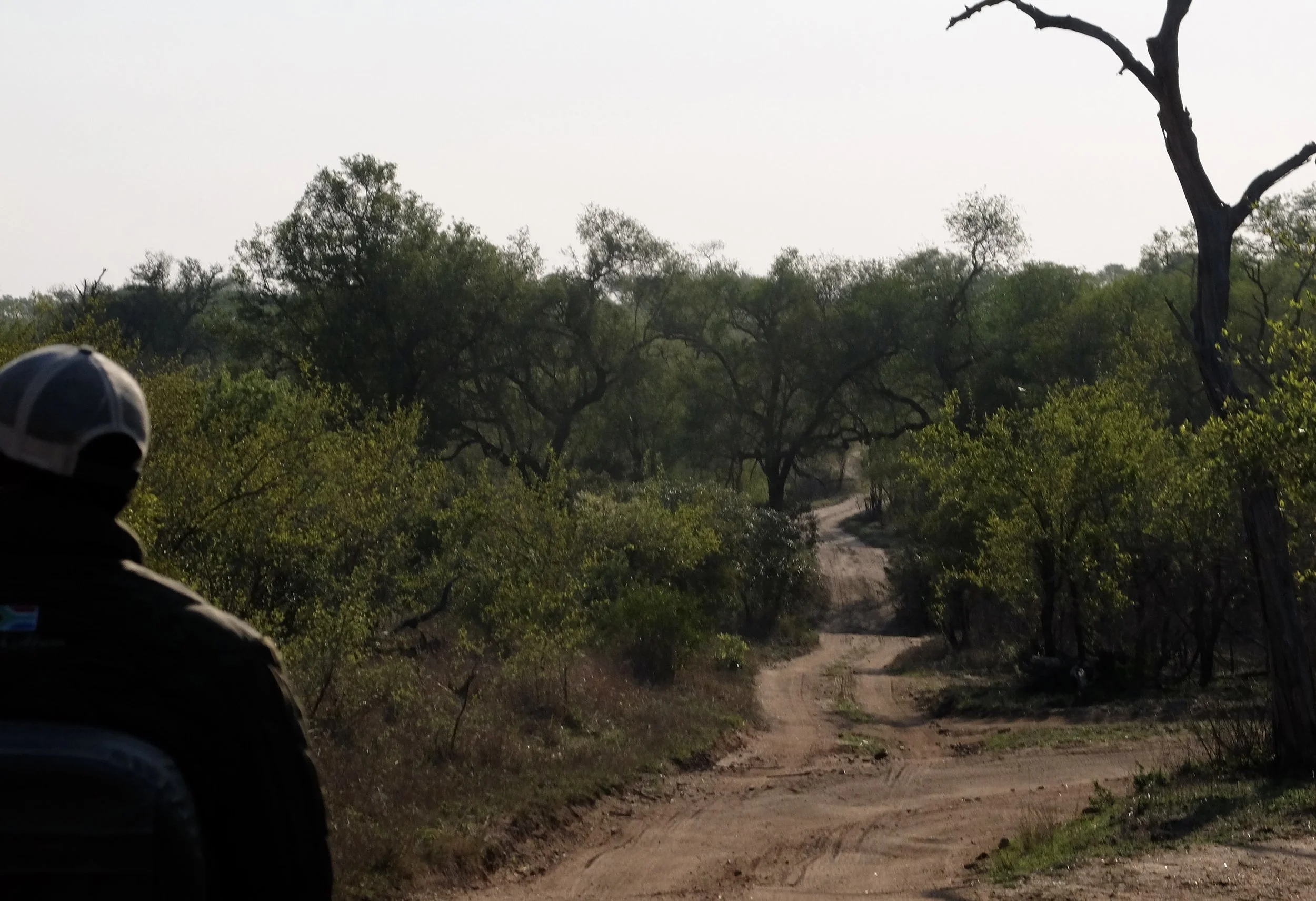
Morning game drive. 6:15 AM.
Notten's Bush Camp, Sabi Sand Nature Reserve, South Africa.
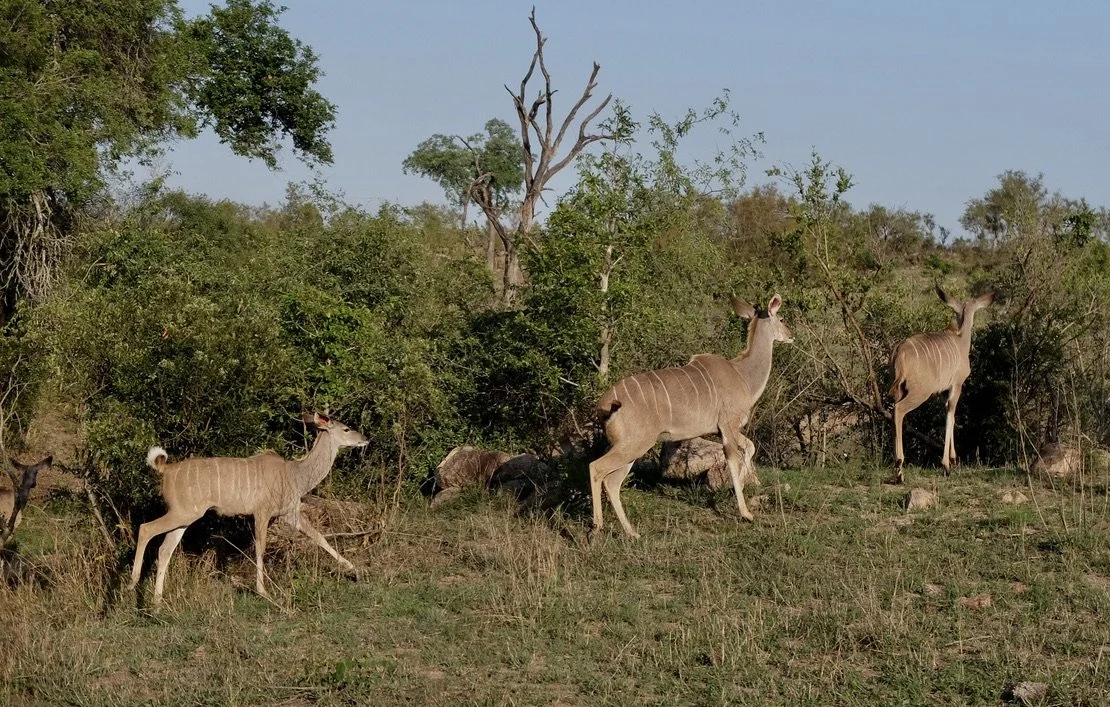
“Female kudus do not have horns, which helps them stay agile and avoid predators.”
These Greater Kudu “…are prodigious jumpers able to clear most fences with ease.”
Notten's Bush Camp, Sabi Sand Nature Reserve, South Africa.
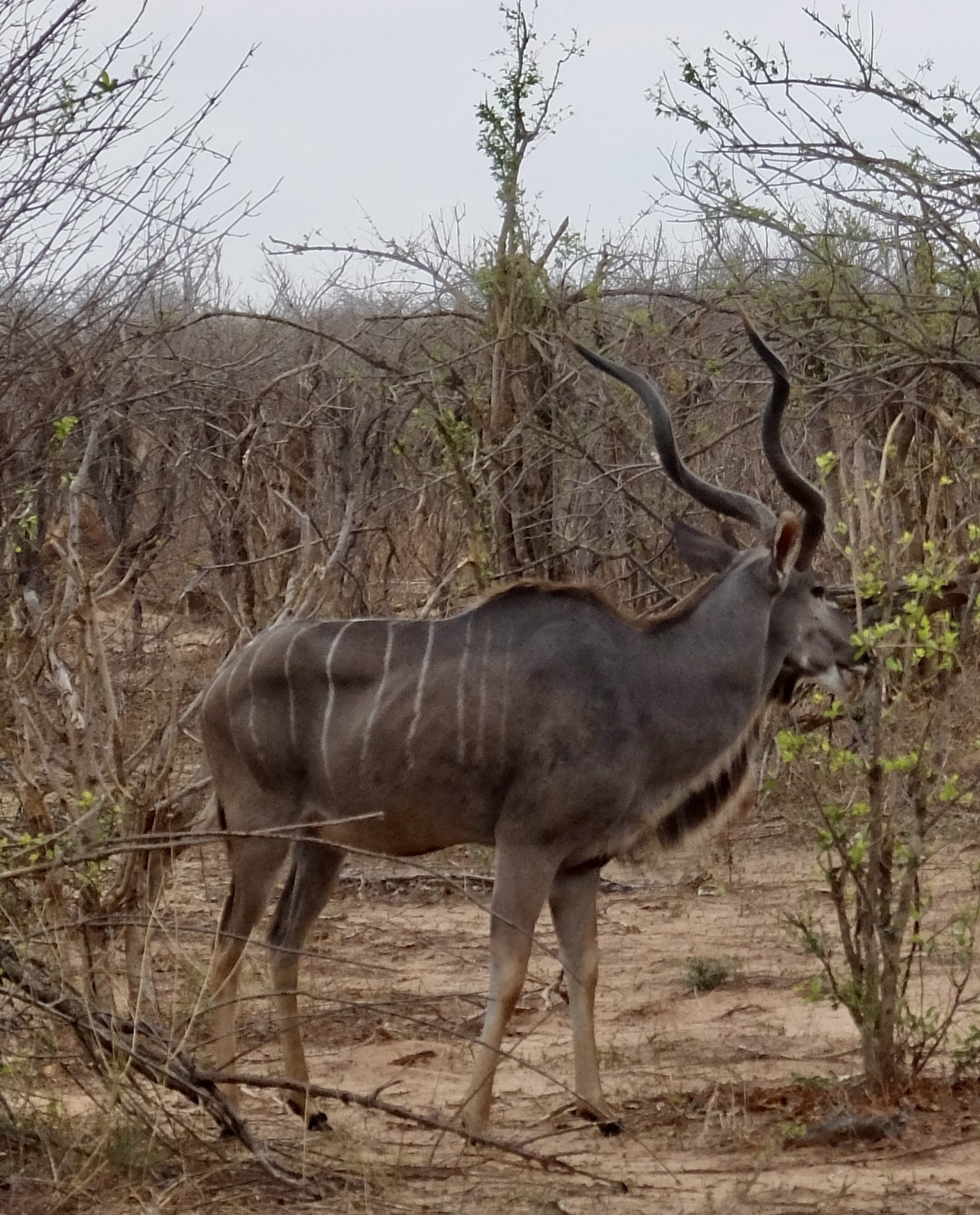
The horns of a mature bull Greater kudu have two and a half twists, and, if straightened, would reach an average length of 120 cm. (47 in.)…The horns do not begin to grow until the bull reaches 6-12 months, twisting once around two-years-of-age and not reaching the full two-and-a- half twists until the age of six.
This photo was taken at Muchenje Safari Lodge, Chobi River, Kasane, Botswana.
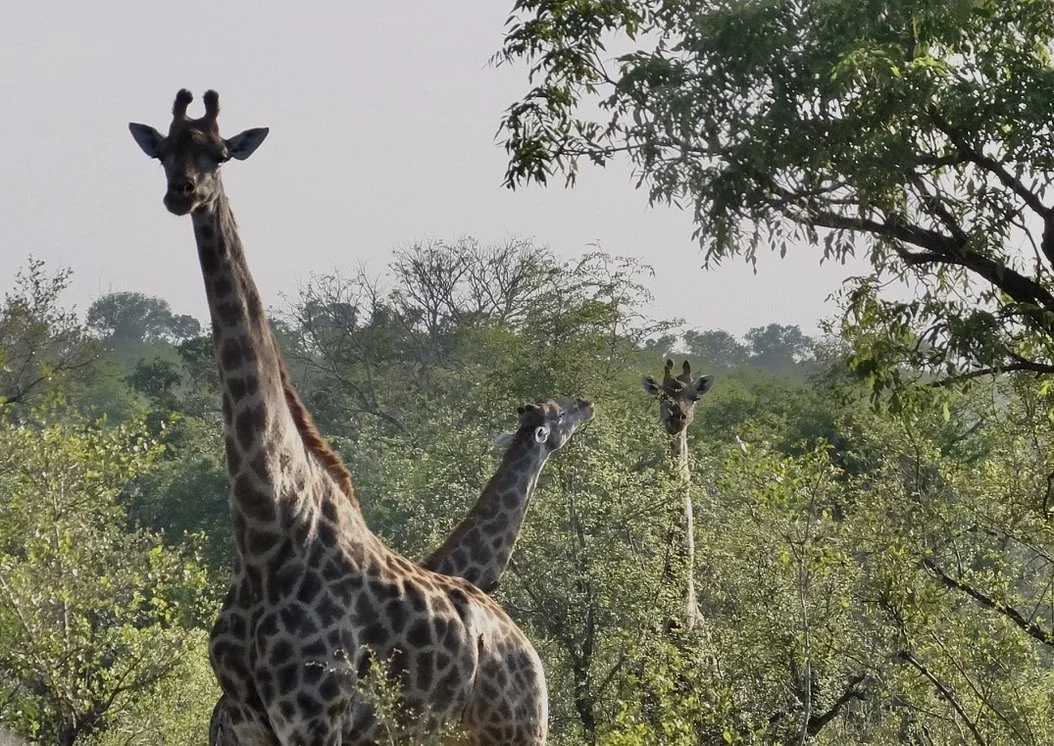
A tower of giraffe.
Arabice word “zirapha” meaning “one who walks swiftly.”
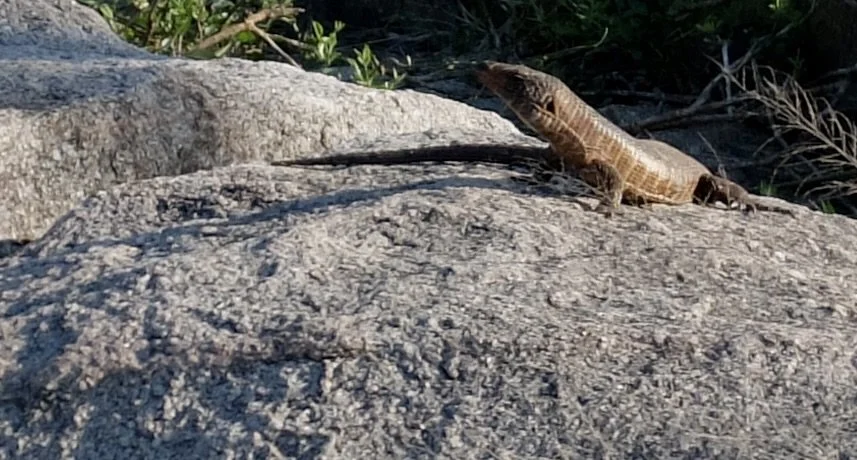
Monitor lizard.
Notten's Bush Camp, Sabi Sand Nature Reserve, South Africa.
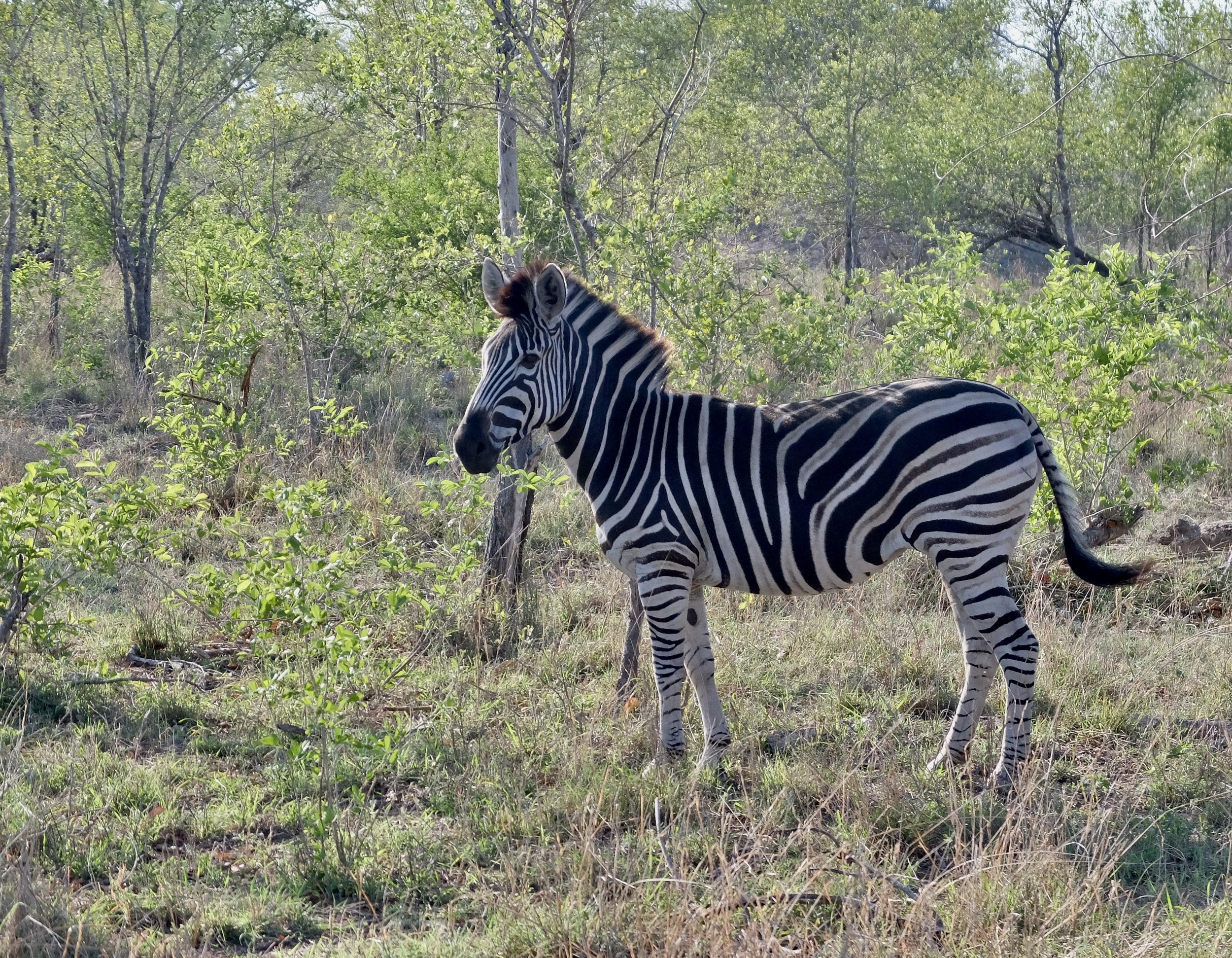
If there were other zebras it would be called a dazzle.
A zebra’s striped coat is thought to disperse more than 70% of incoming heat, preventing the animal from overheating in the African sun. This is because air moves at different speeds over light-absorbing black stripes & light reflecting white stripes, so the zebra creates its own cooling air currents.
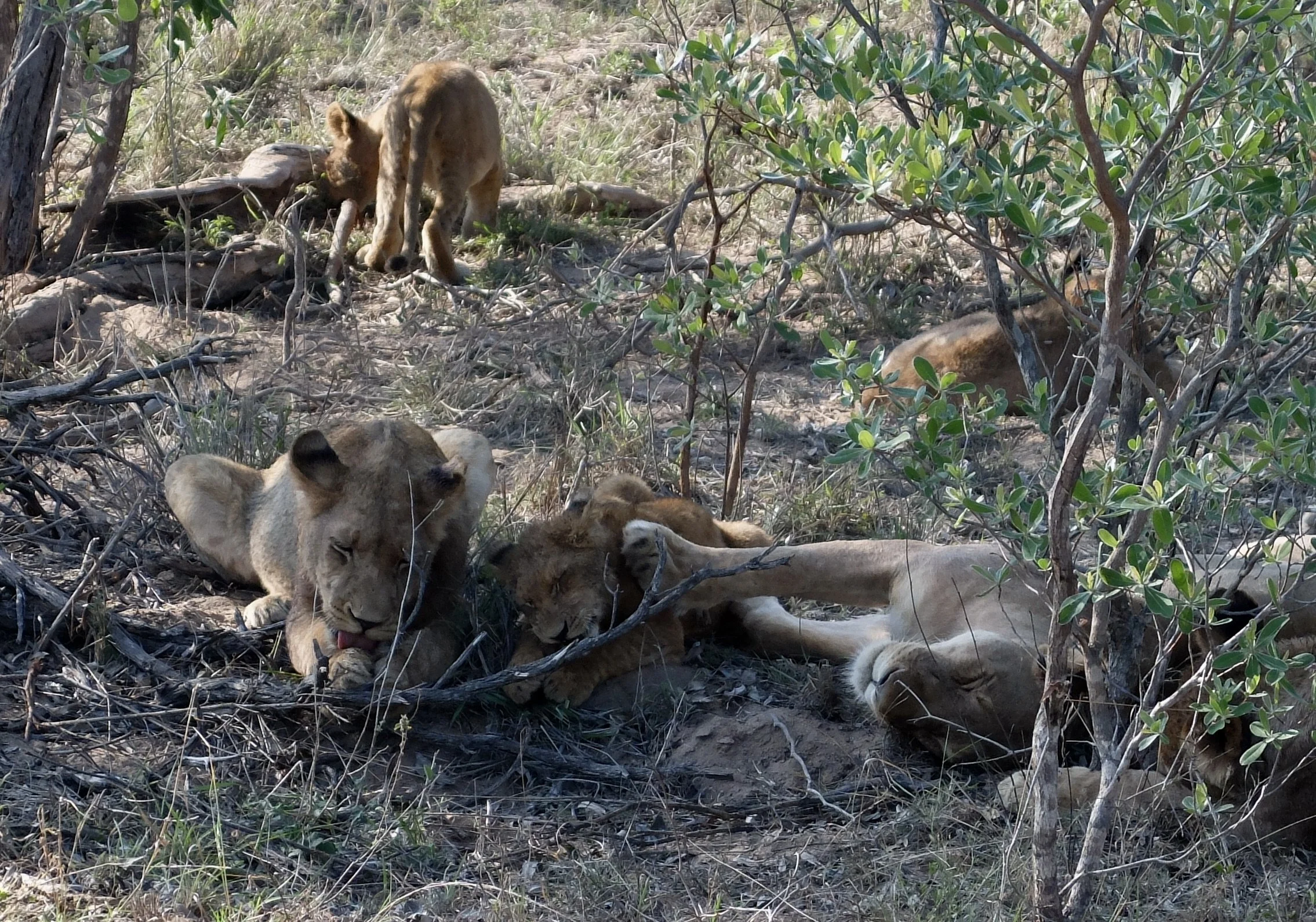
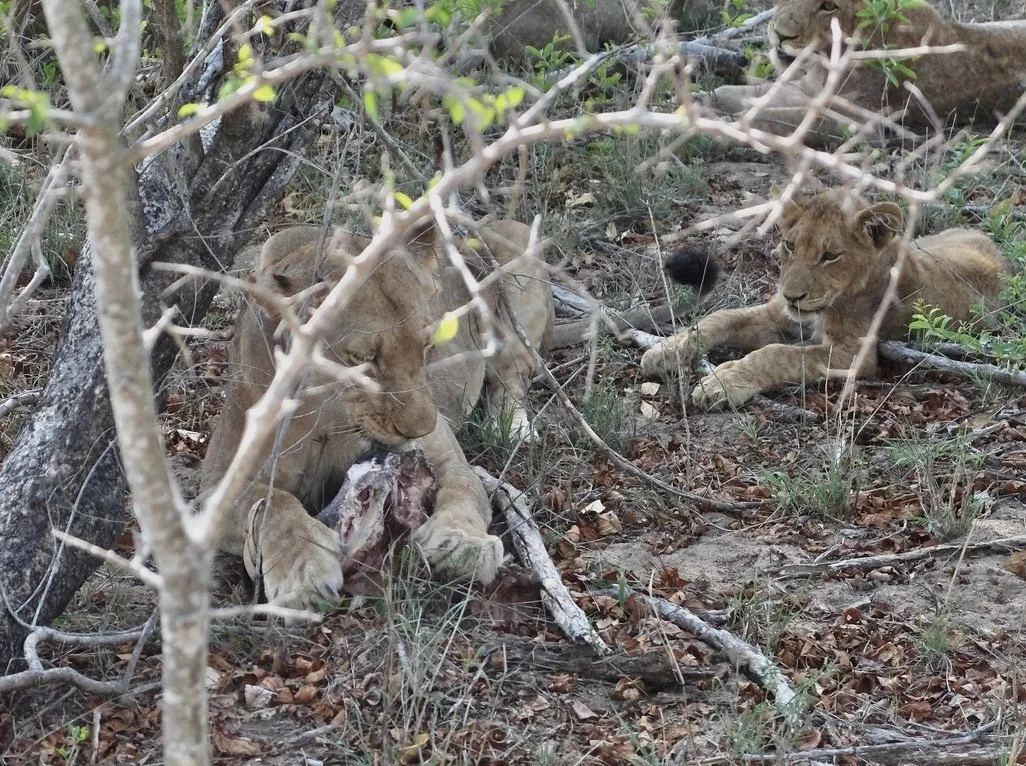
Momma lioness was gnawing away on a baboon skull. Her little cub wanted to join in but momma would have no part of it &…
…moved away to a spot where it would be more difficult for the cub to approach.
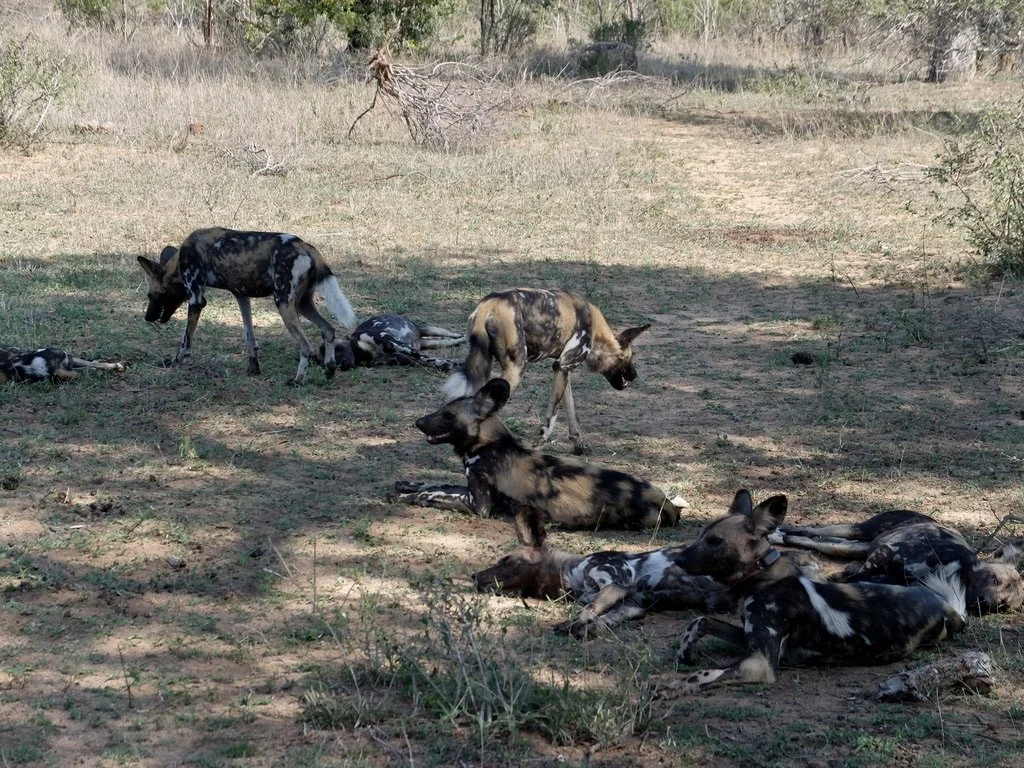
Wild Dog - Painted Wolf
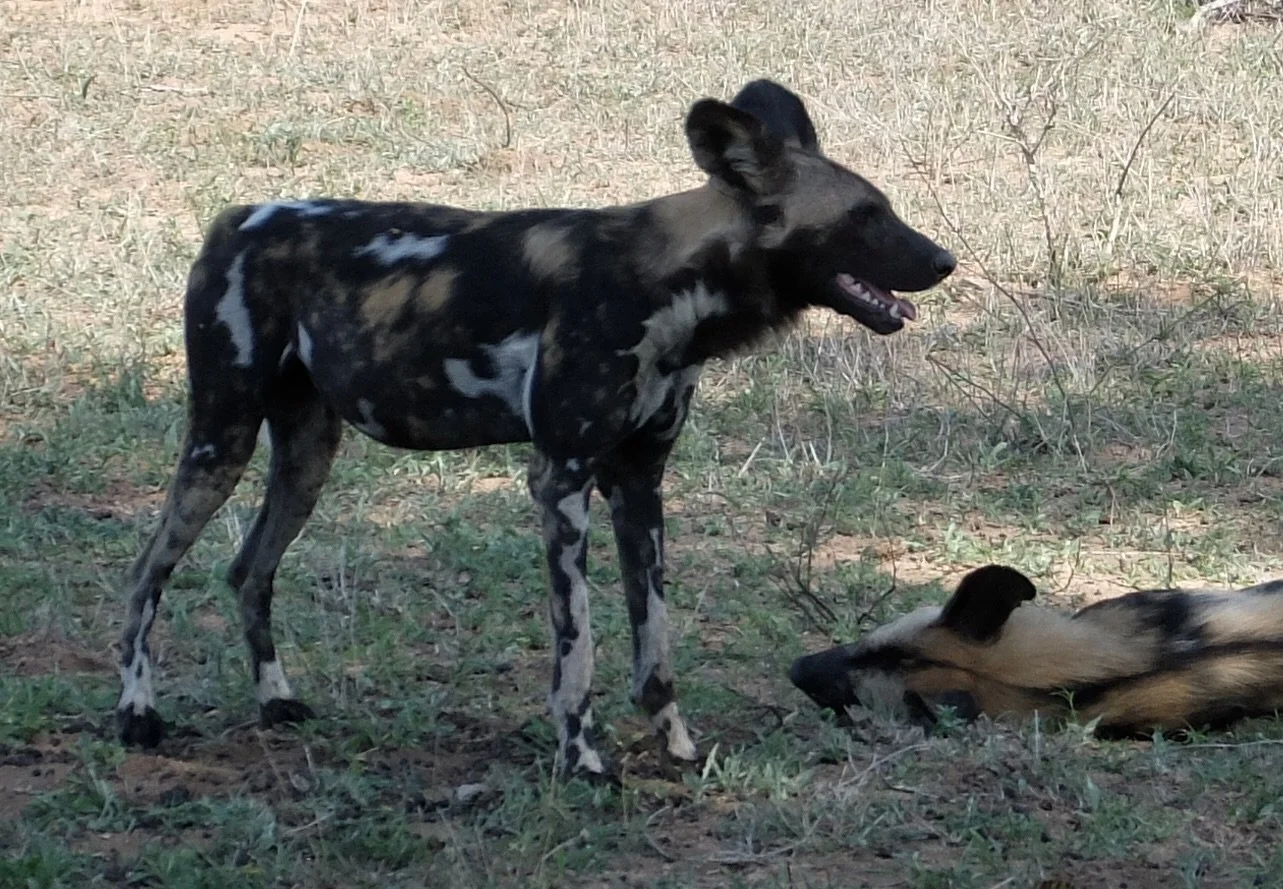
The scientific name for the African Wild Dog means “painted wolf.” No two wild dogs have the same markings, which makes them easily identifiable as individuals.
We were told that people have unsuccessfully attempted to domesticate wild dogs.
Take a look at those teeth!
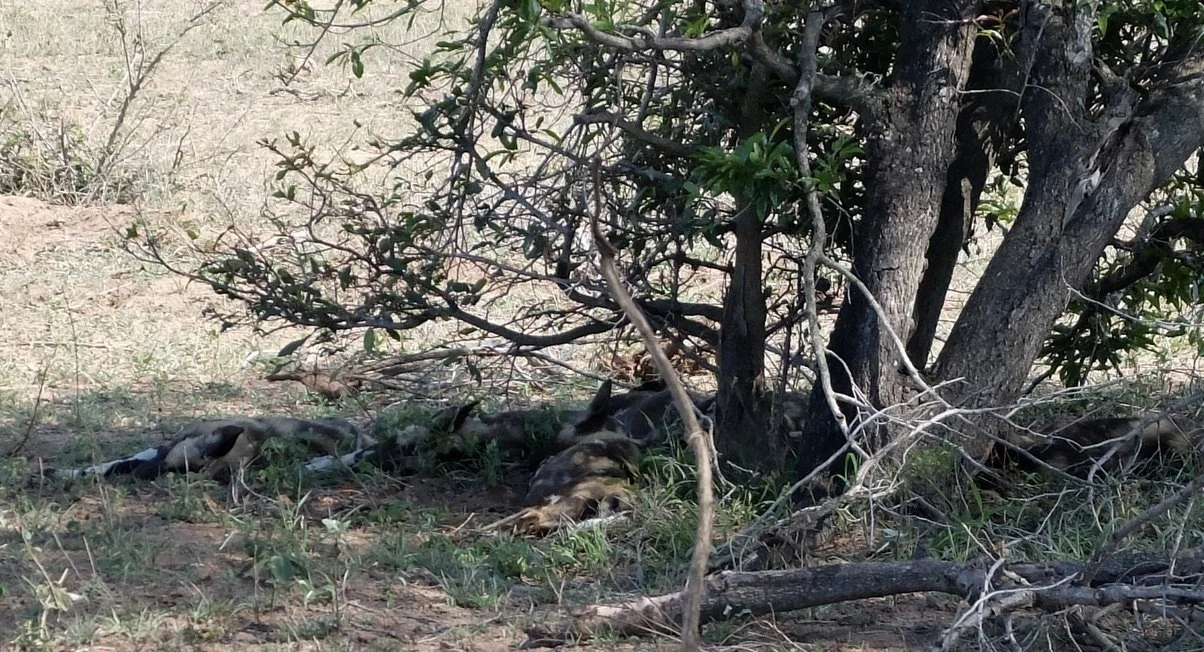
A recent litter of wild dogs.
Wild dogs are not easily found. The prior day, one of the camp guides went out searching for the wild dogs, on foot, found them & sent the coordinates to the other Notten’s Bush Camp guides.
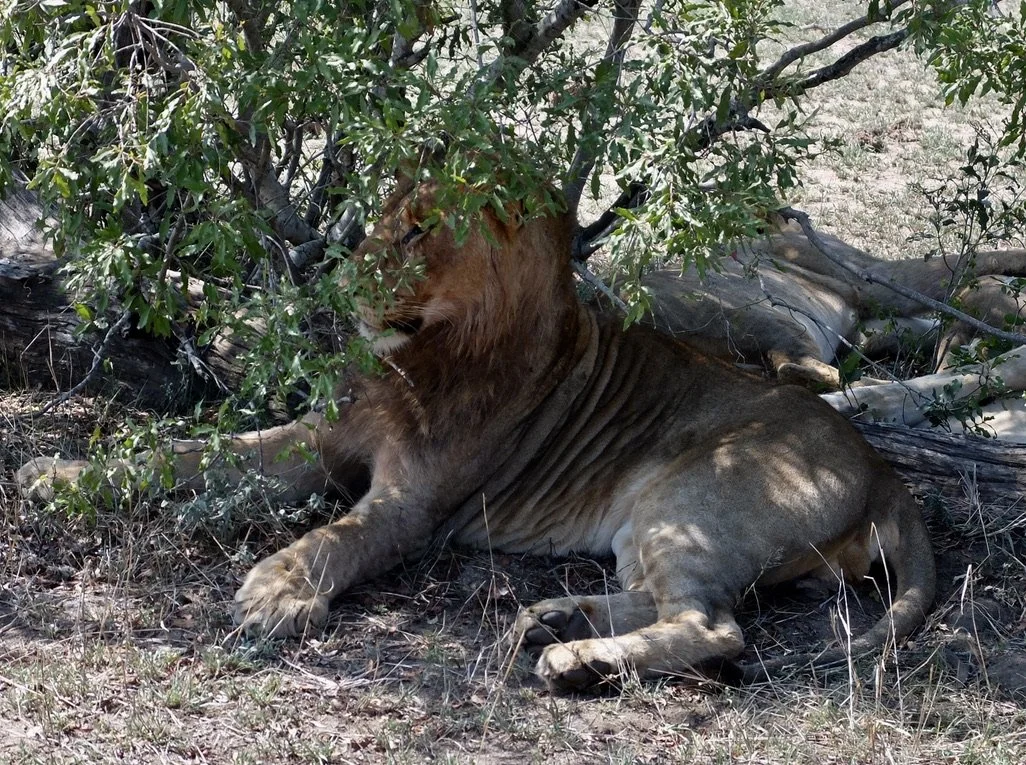
A young male lion.
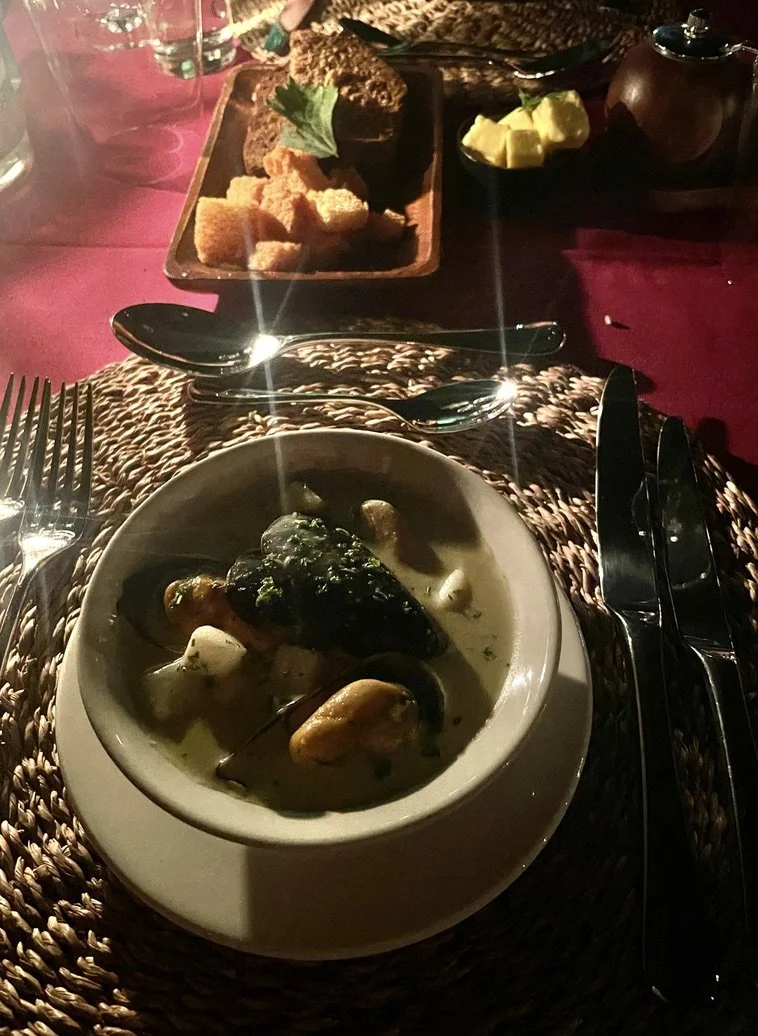
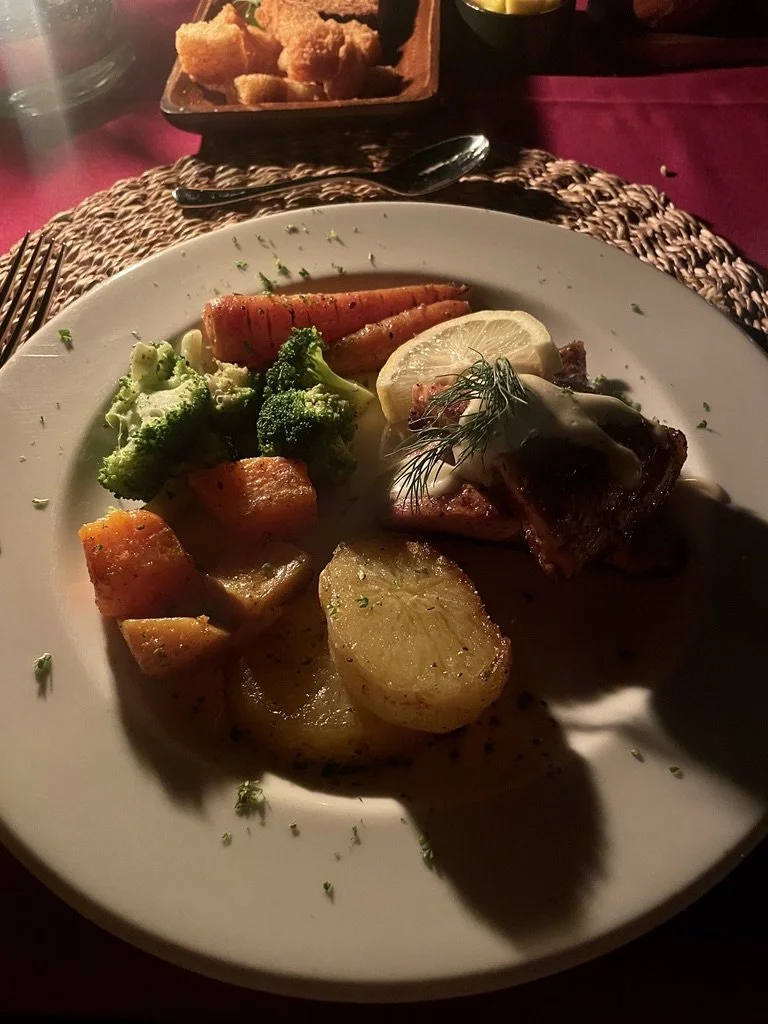
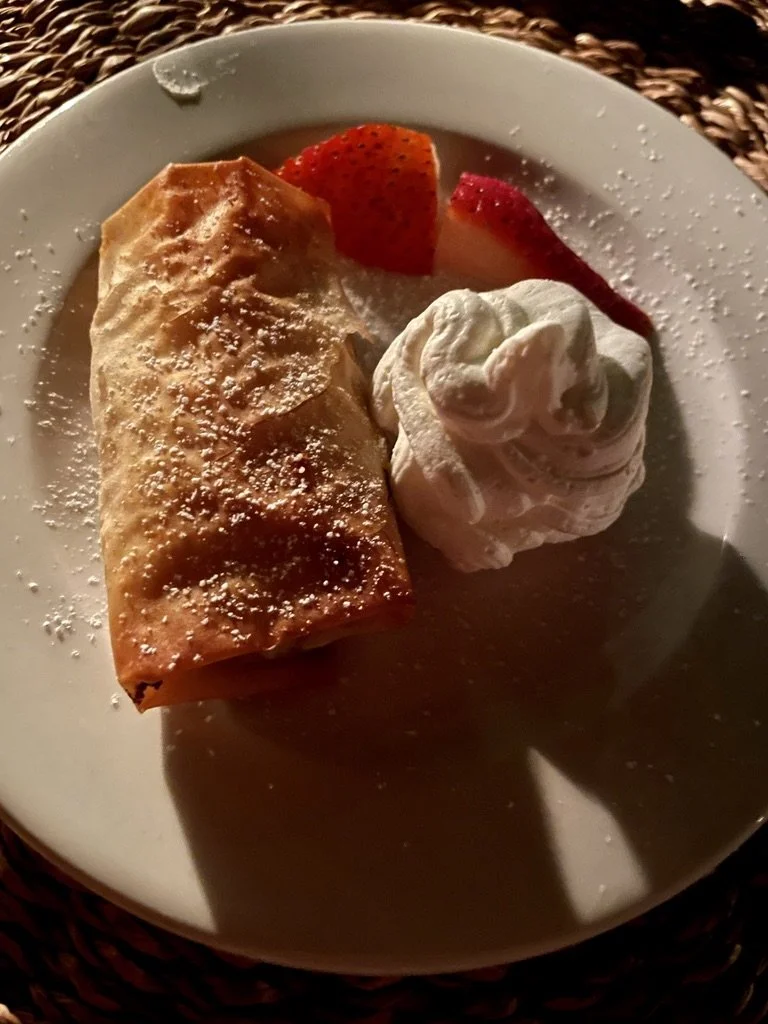
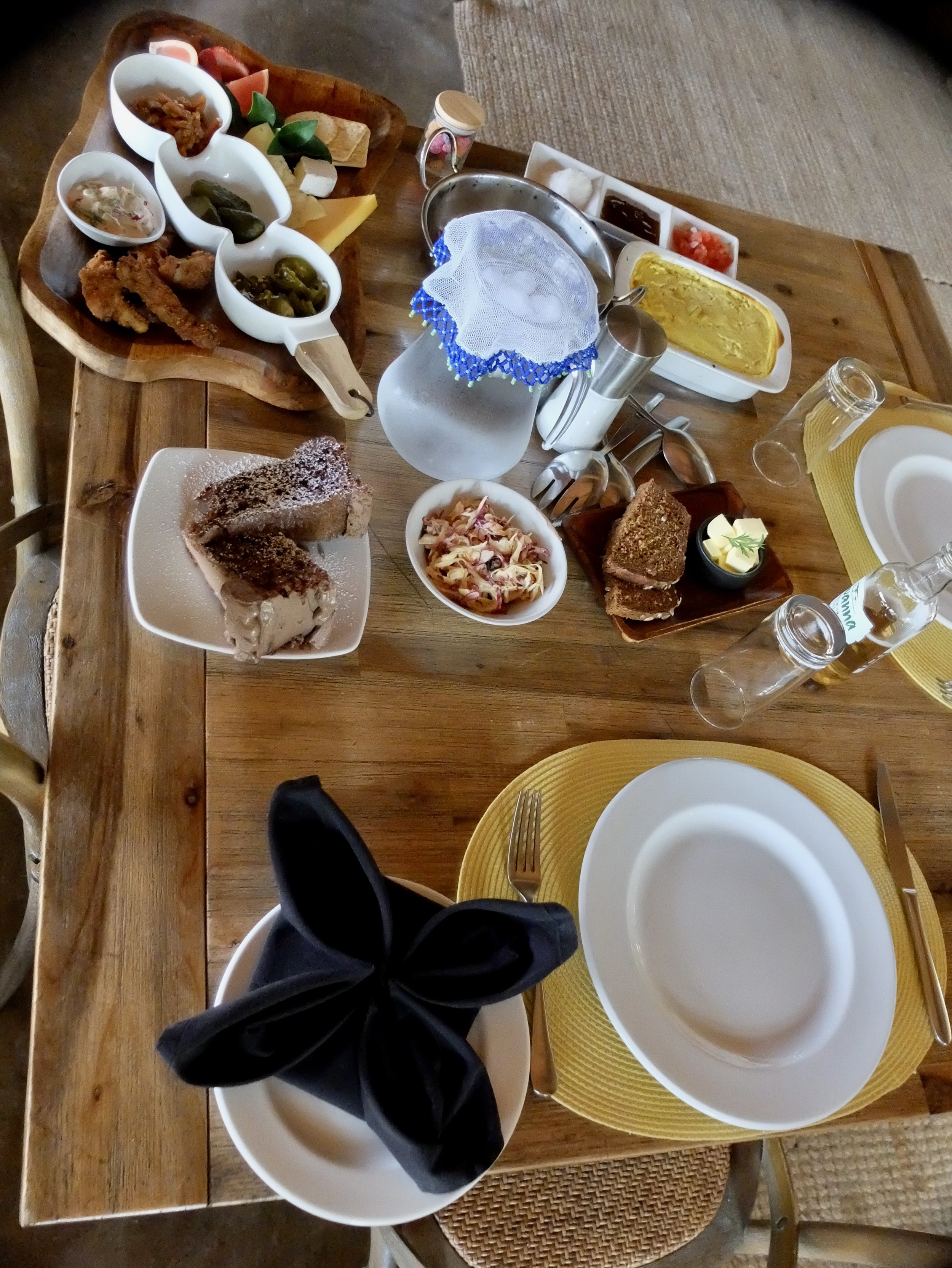
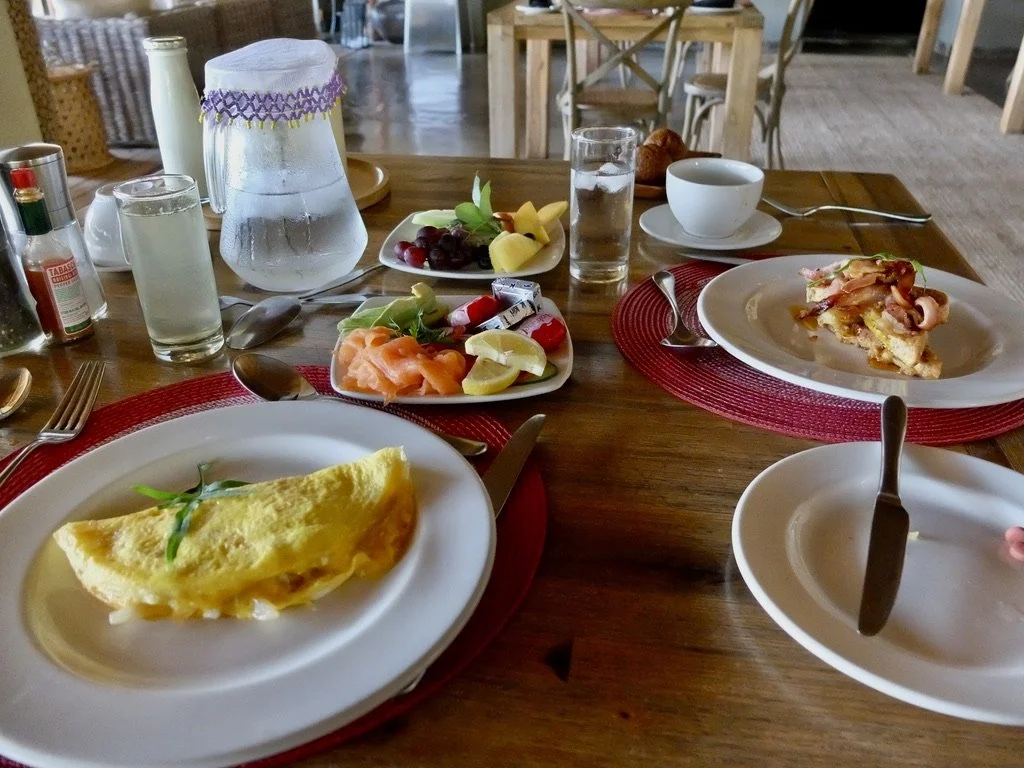
After the morning game drive, breakfast at Notten's Bush Camp.
After the morning game drive, breakfast at Notten's Bush Camp.
After the morning game drive, breakfast at Notten's Bush Camp.
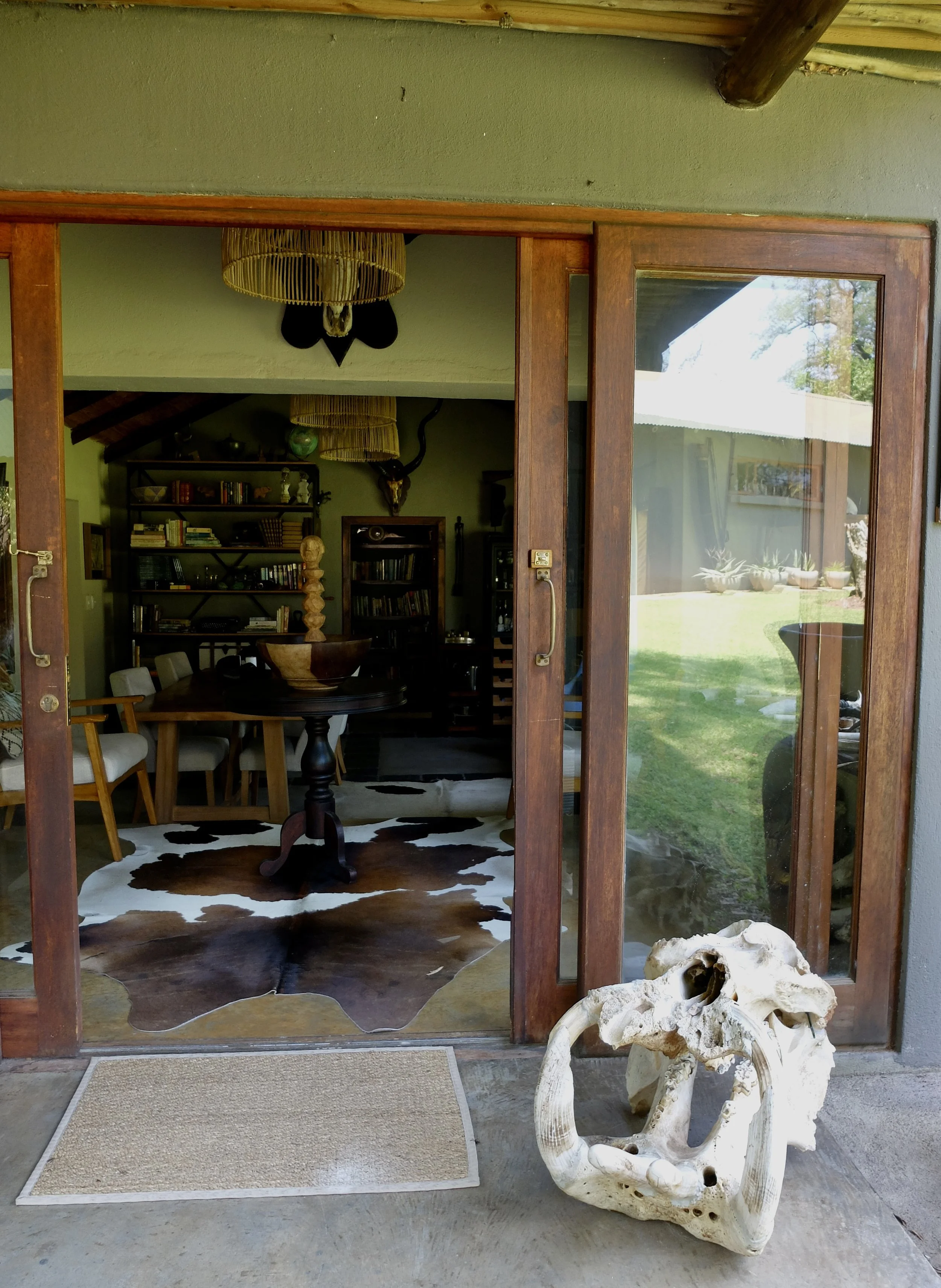
One of the guides told me that one of the Notten’s, yes we did meet one of the fourth generationers running the Bush Camp, had just returned a restored hippo skull to the The Oom Paul Kruger Library.
Hippo skull outside the Oom Paul Kruger Library.
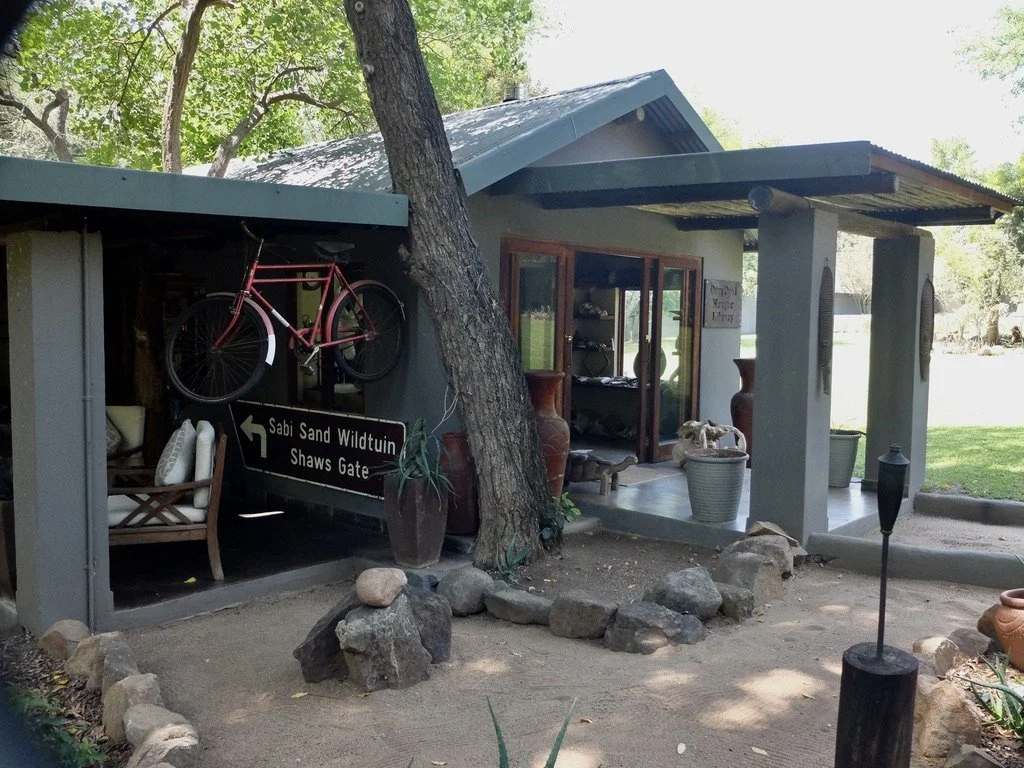
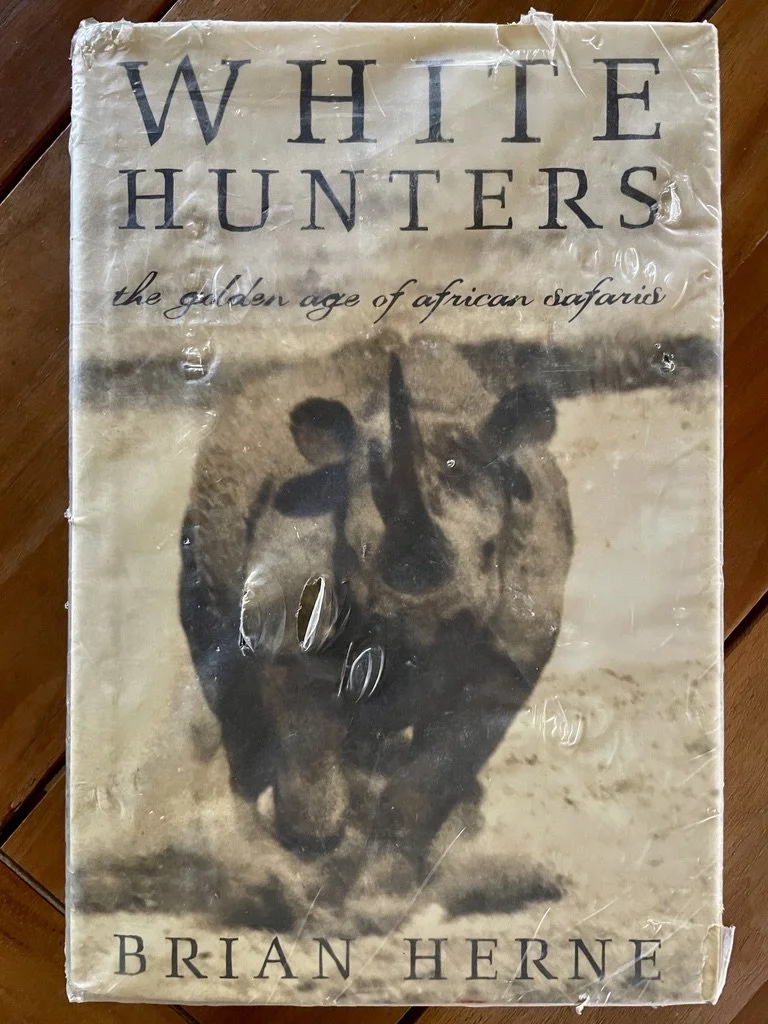
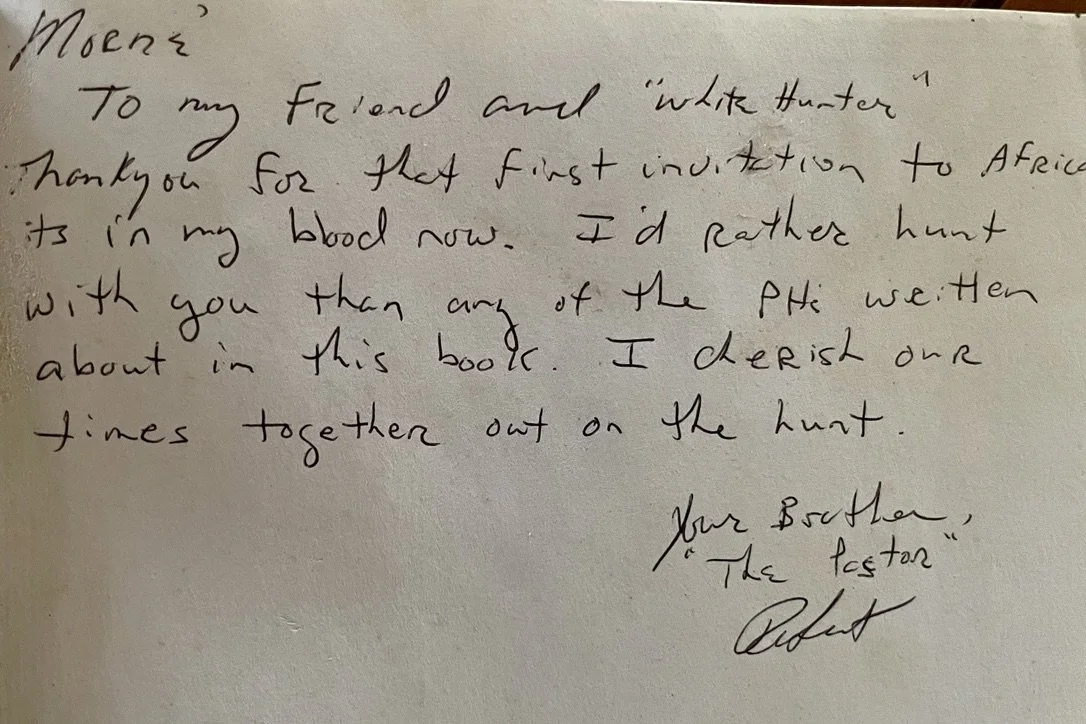
On my return visit to the Oom Paul Kruger Library , I noticed this 1999 book. Curious about great white hunters (knowing one) I looked inside & found…
…this inscription.
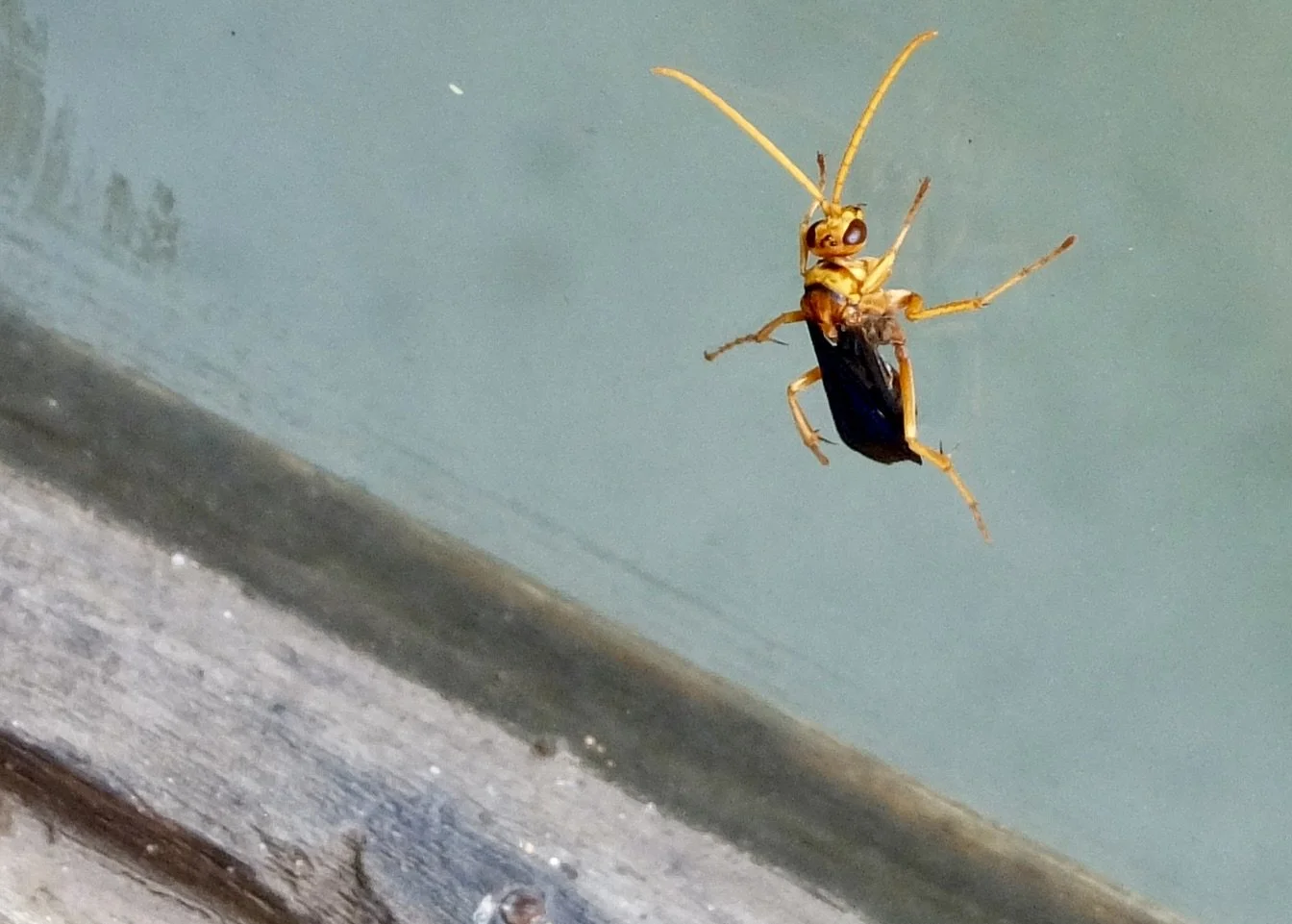
Keeping me company while I used our outdoor shower at Notten’s, a “Hemipepsis tamisieri… a species of afrotropical pepsid spider wasp.”
Also for company…
“Lycus…the type genus of Old World net-winged beetles in the Lycidae family and the tribe Lycini: found in Africa and the Americas.”
We had some relaxing time before the afternoon/evening game drive.
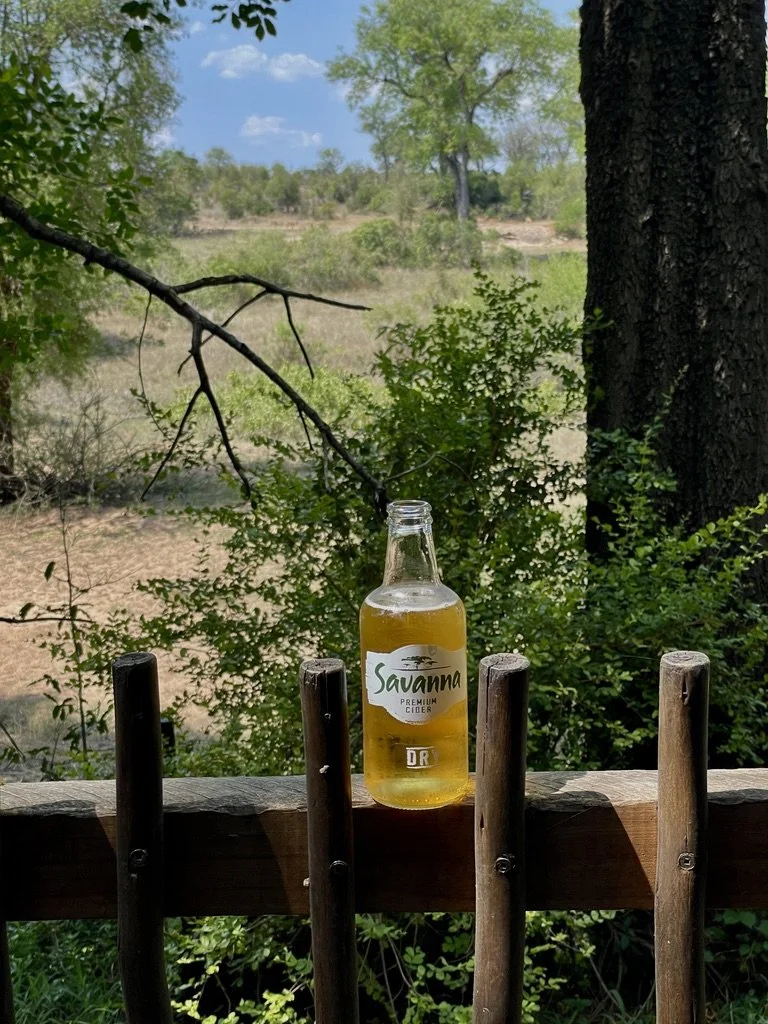
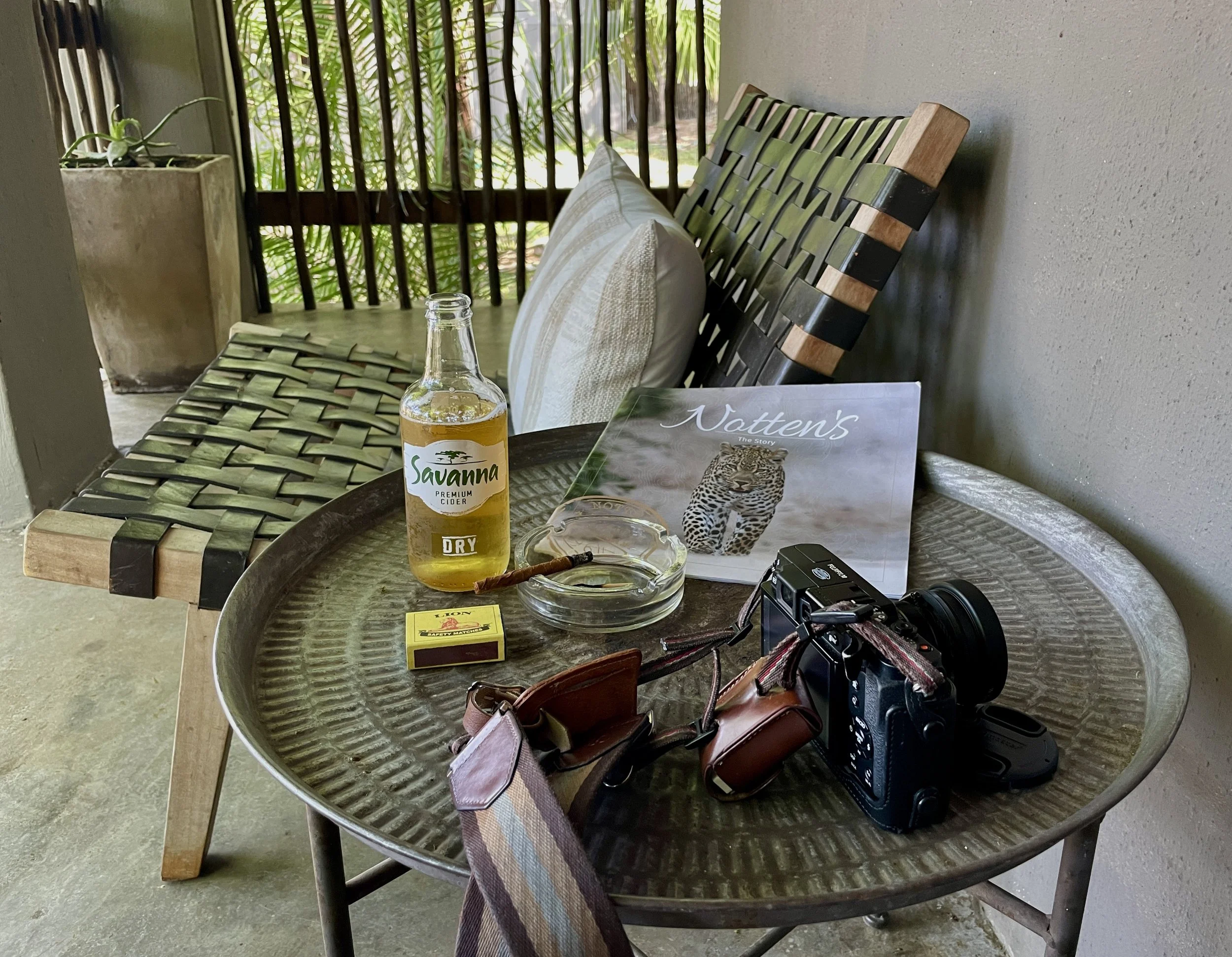
This Savanna Premium Cider was refreshing & "is South Africa’s leading cider export and the largest cider brand in the world by volume."
Tasty & potent at 6% ABV.
Some folks were wondering about the camera that I was using. For most of the photographs I used my FujiFilm X30 (28-112 mm F2.0-2.8 Zoom Lens). For a few I used the iPhone 12 Pro (this photo) or the Canon Power Shoot G 12.
While sitting & waiting for lunch, action at the water hole.
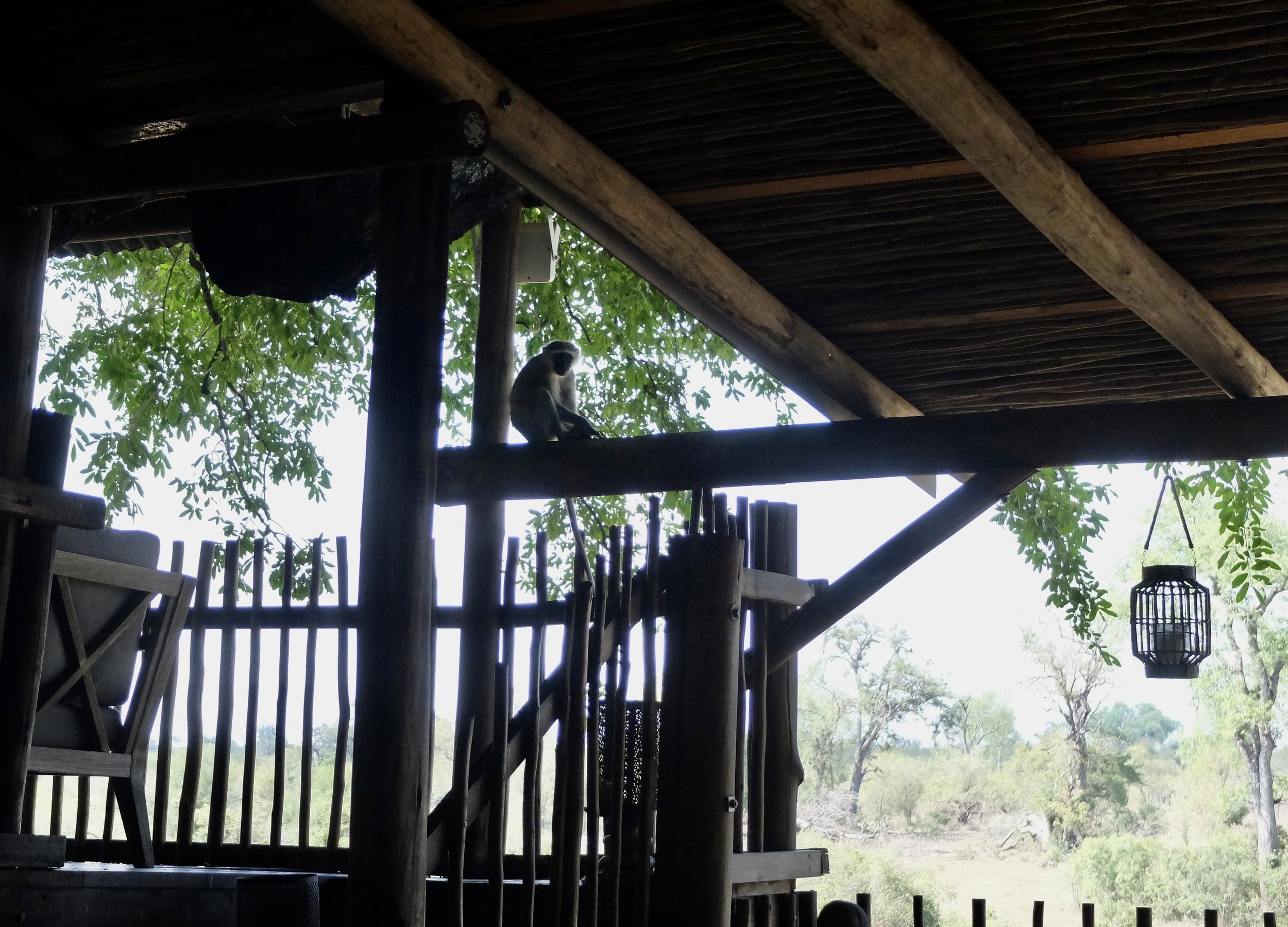
And also waiting for our lunch…
Monkeys also have their unique set of fingerprints just like humans do. Monkeys have a brain large for their size & it is part of the reason why they are so intelligent. They are believed to be smarter than other primates including Apes & Lemurs.
A little hand reached up to partake but a guide shooed the monkey away threatening with a paintball gun.
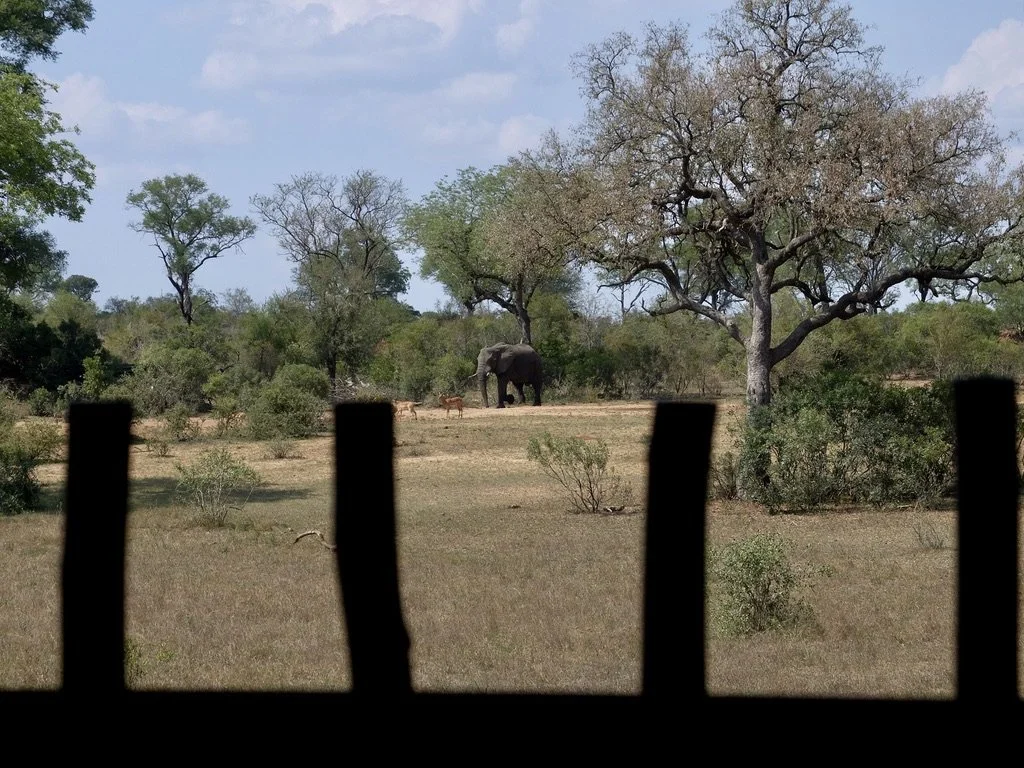
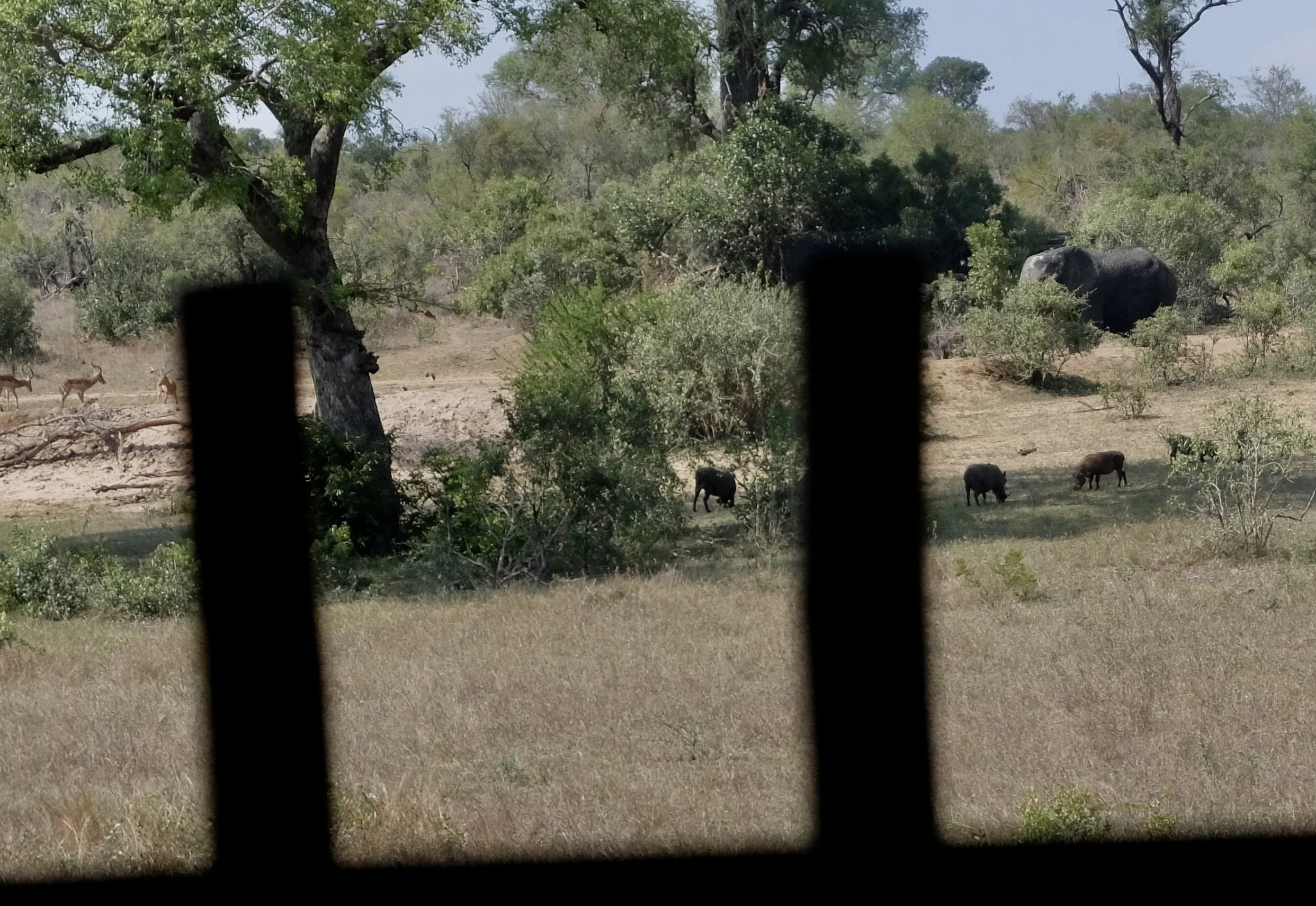
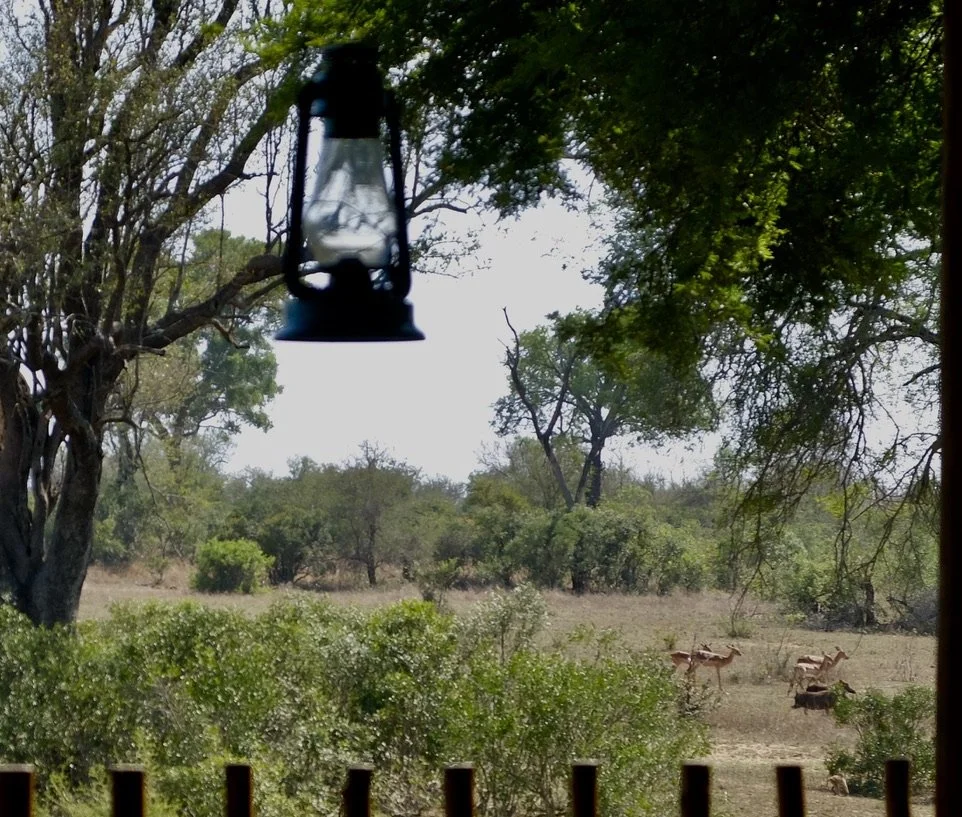
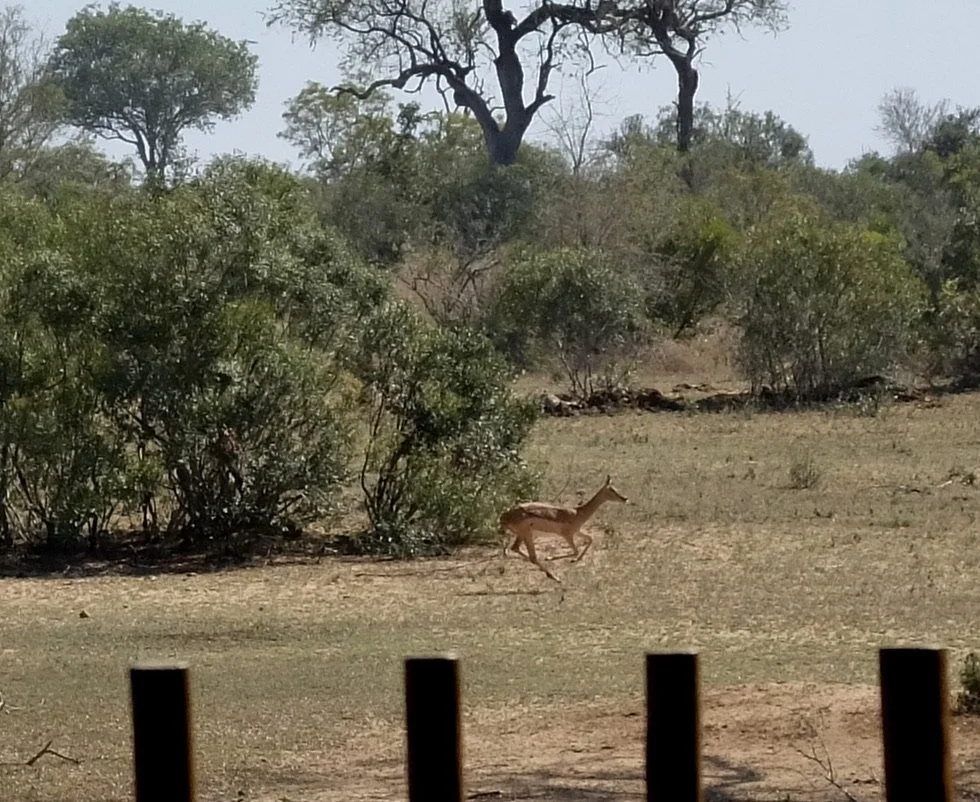
More lunchtime entertainment; a sounder of warthogs, a herd of impalas & an elephant.
Readying for the 4:15 PM game drive.
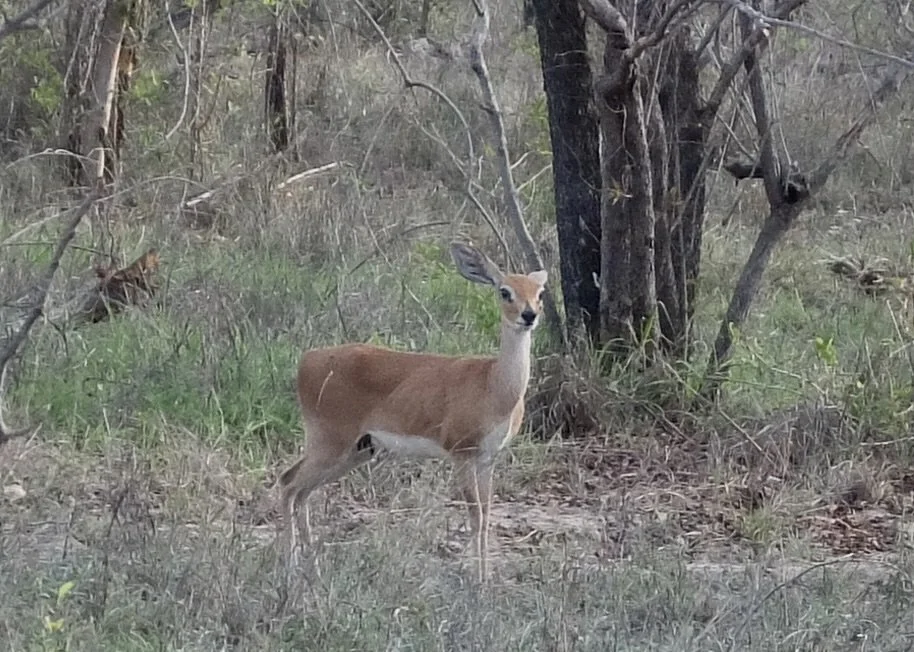
And bingo, by 4:27 we were rewarded with a sighting of a Raphicerus campestris. “The steenbok is a common small antelope of southern and eastern Africa.” It is in the family of Klipspringer, in Afrikaans meaning “Rock jumper.” It “…has rubbery, cone-like hooves that cushion…as it bounds among boulders.”
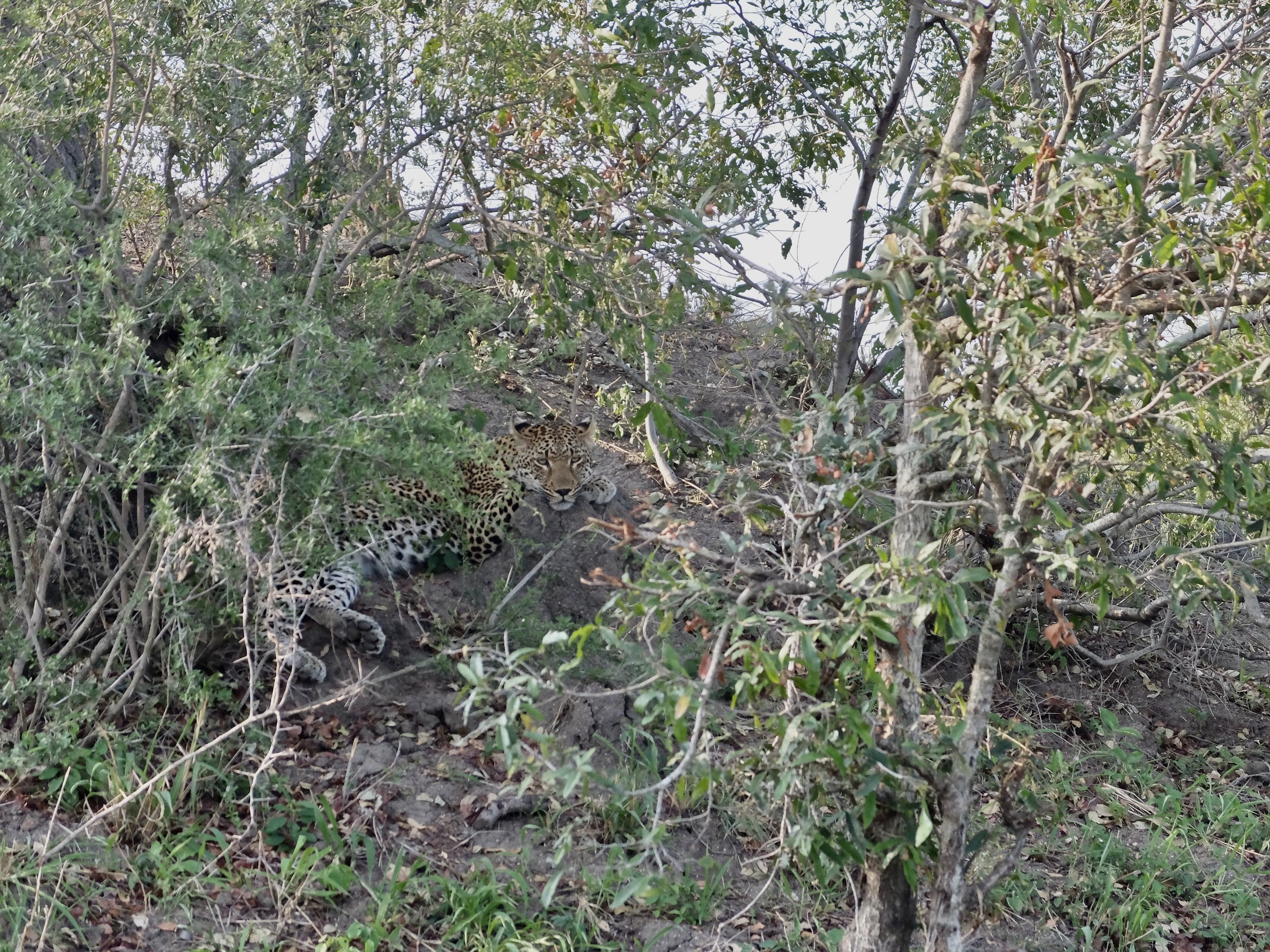
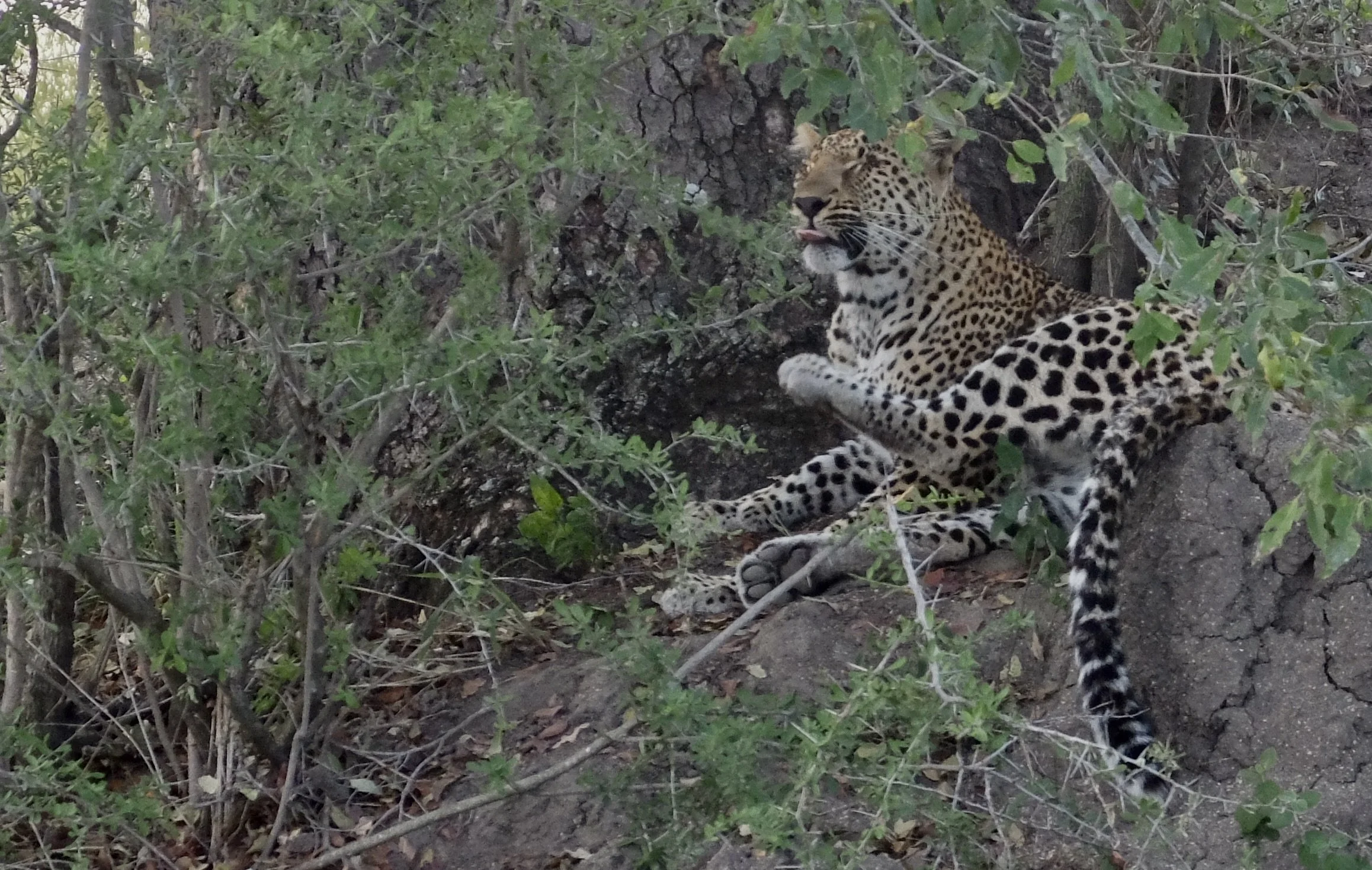
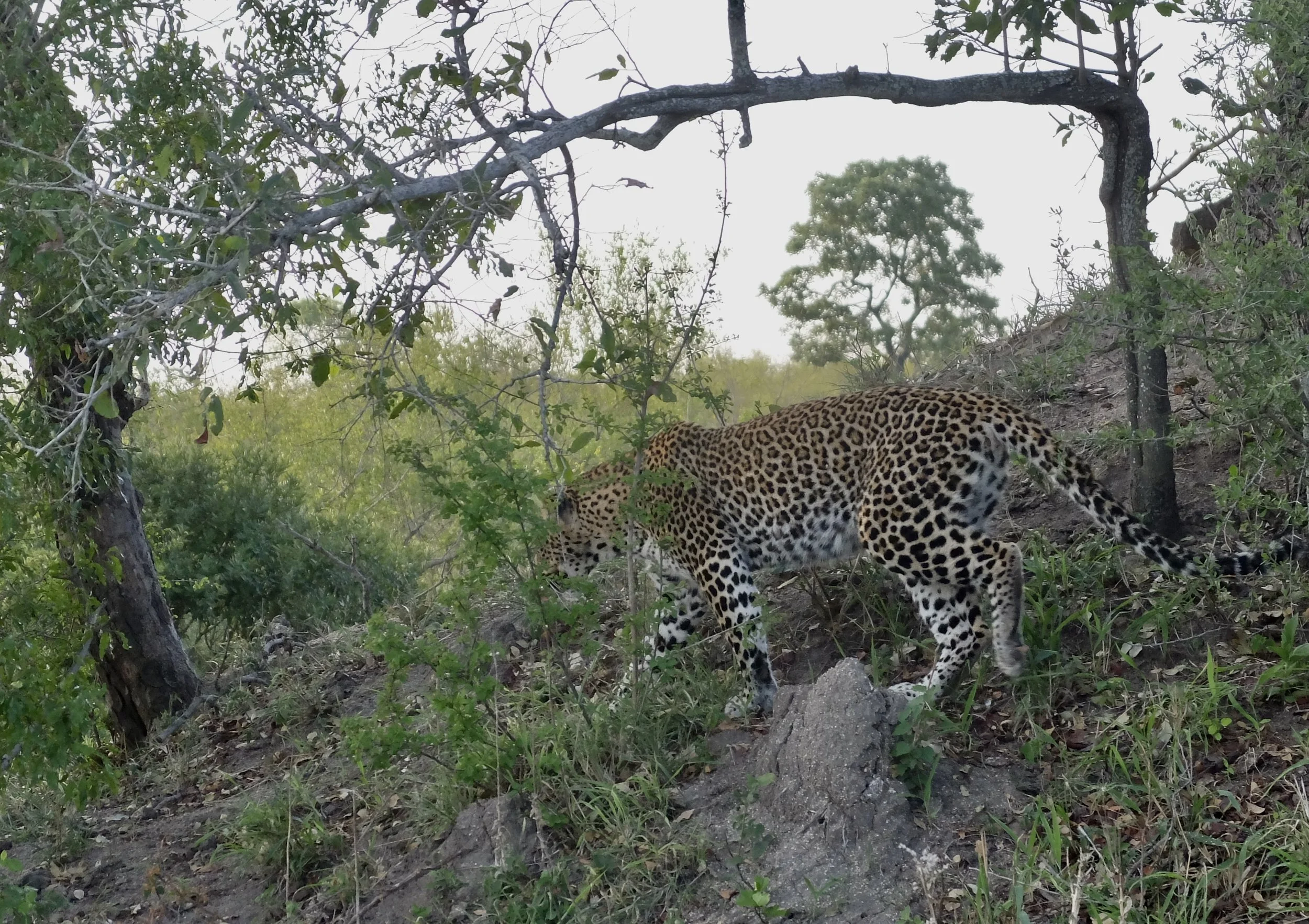
“As a solitary hunter, a leopard cannot afford to become injured & must avoid confrontation.”
“Leopards are the ultimate opportunists…are not strictly nocturnal…
…& will readily slink down the trunk of a tree at midday to take advantage of a hunting opportunity.”
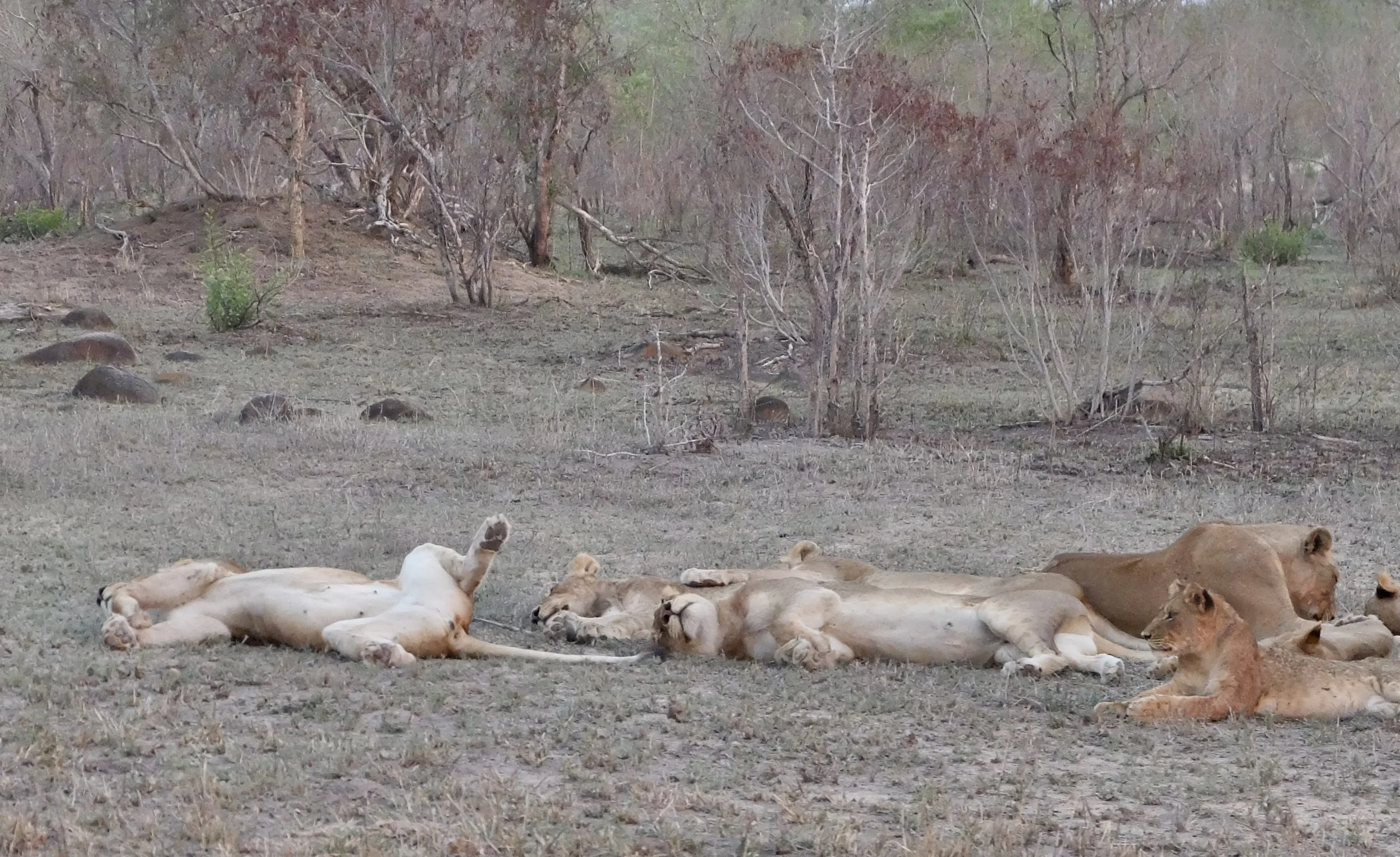
Whereas, about the same time, this pride of lions is taking it easy.
Earlier we heard a lioness' roar that seemed to come from deep in her belly. The sound reverberated off my sternum.
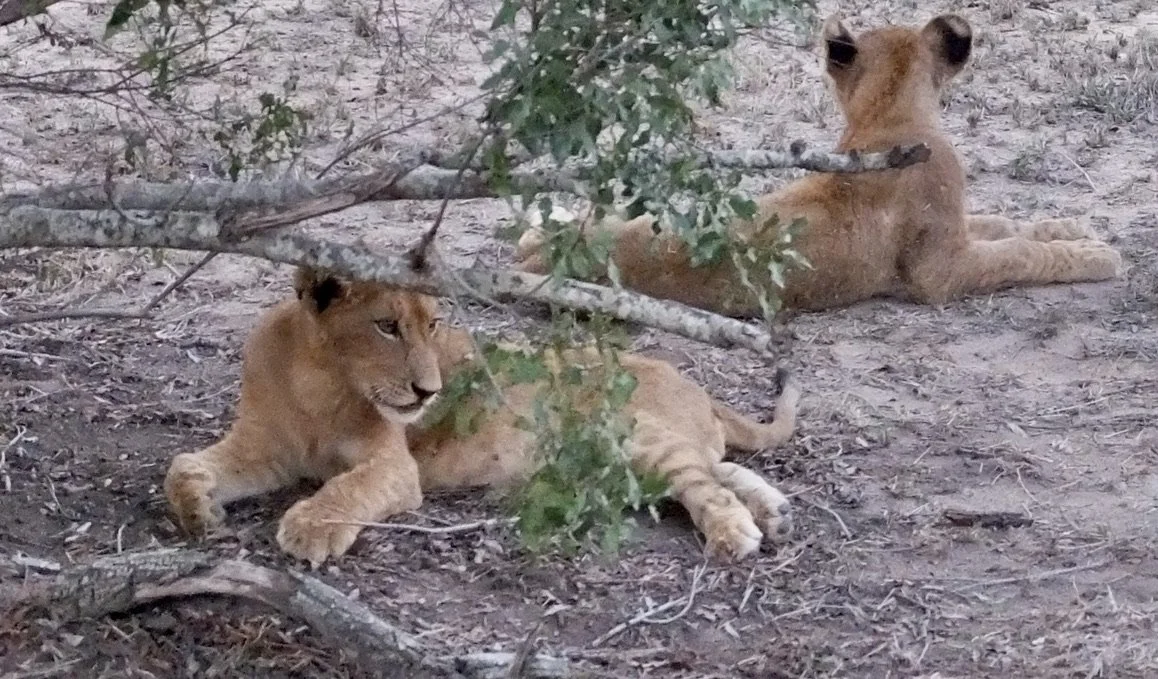
Cubs.
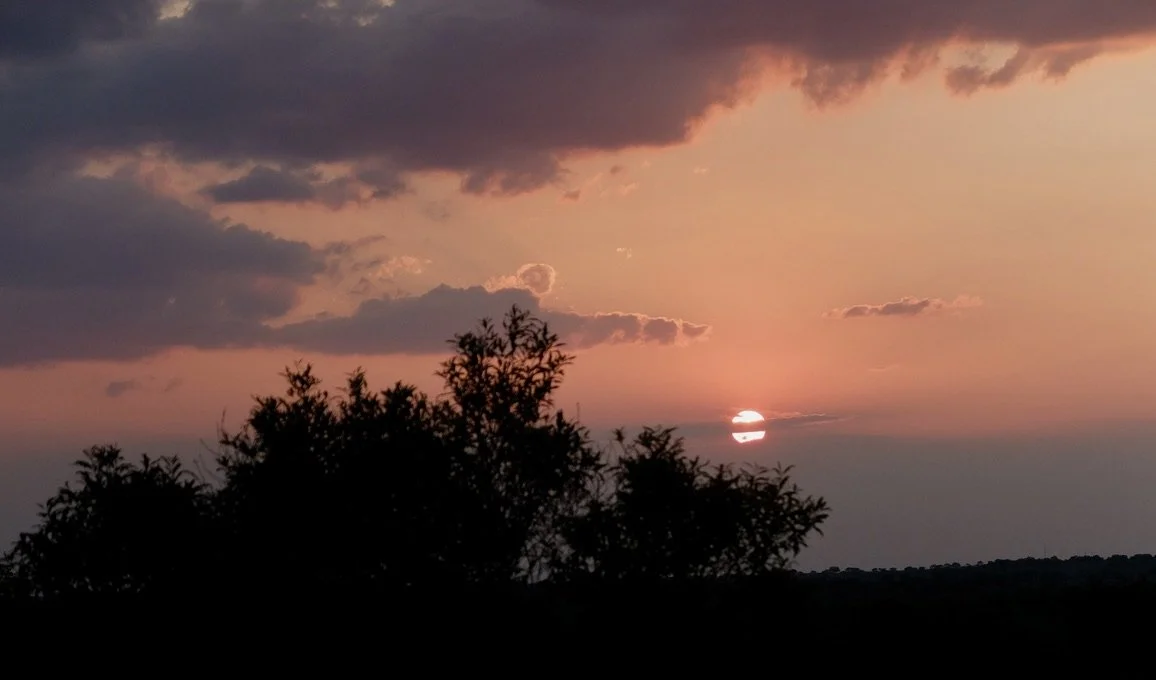
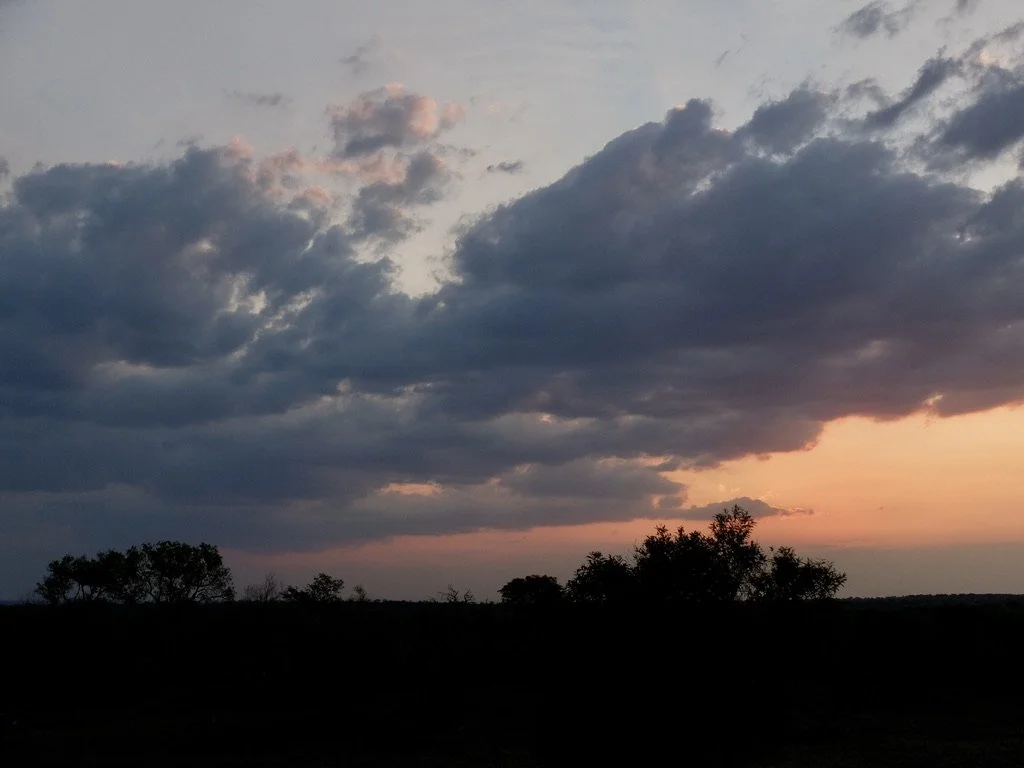
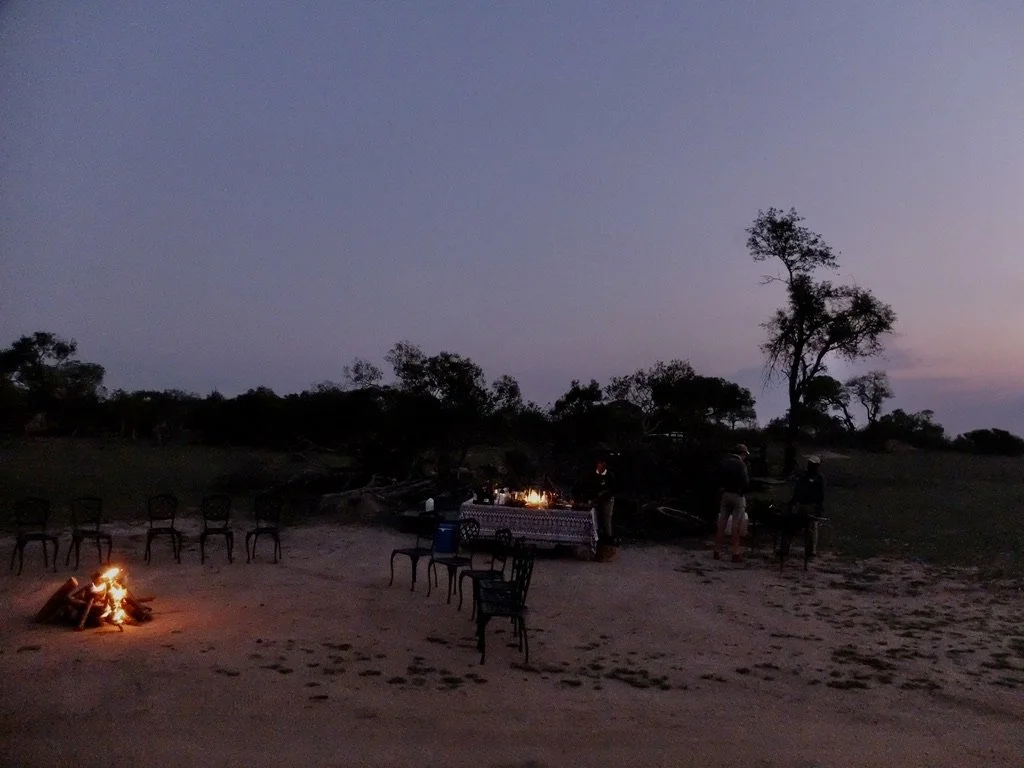
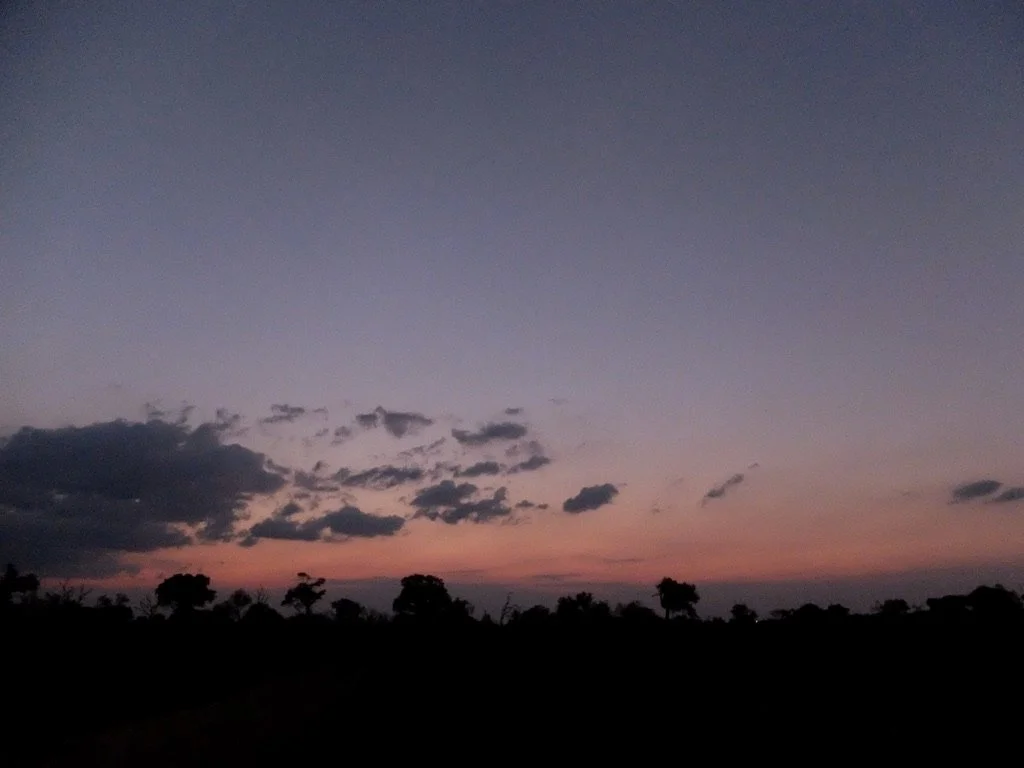
Under African skies sunset between 6:01 PM &….
…
…
…6:45 PM.
5:00 AM wake up from a knock on the door. Notten's Bush Camp, Sabi Sand Nature Reserve.
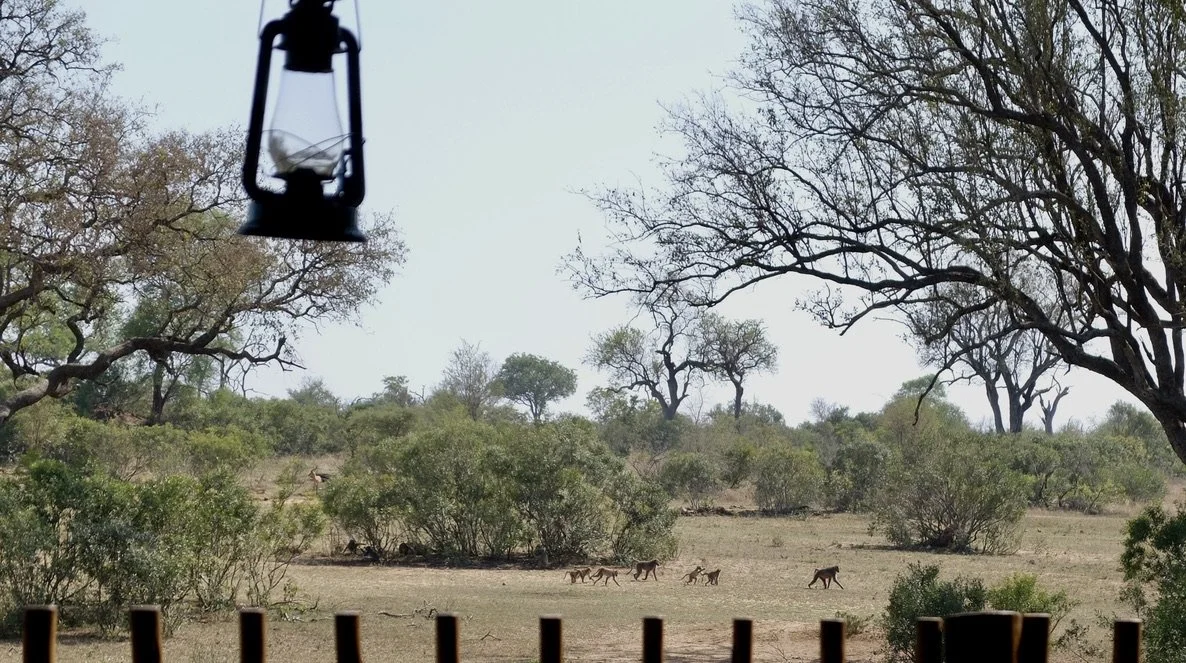
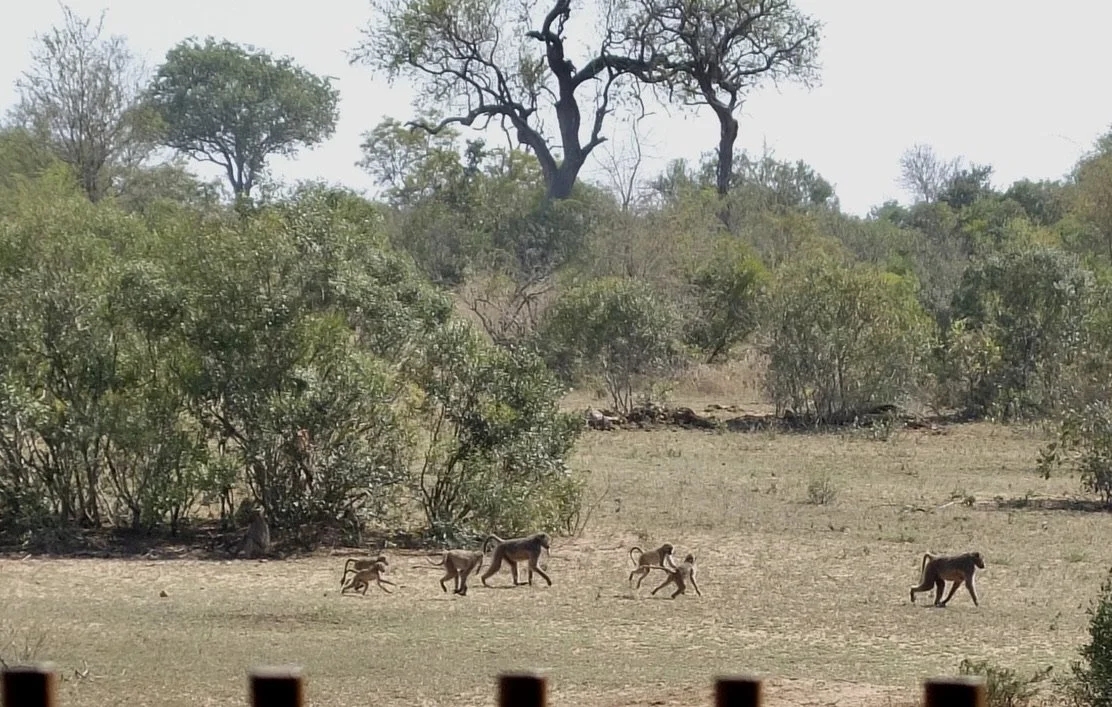
A troop of baboons.
Floor show before breakfast.
Of course two kids playing.
-
Wait for me!
Breakfast at Notten's Bush Camp.
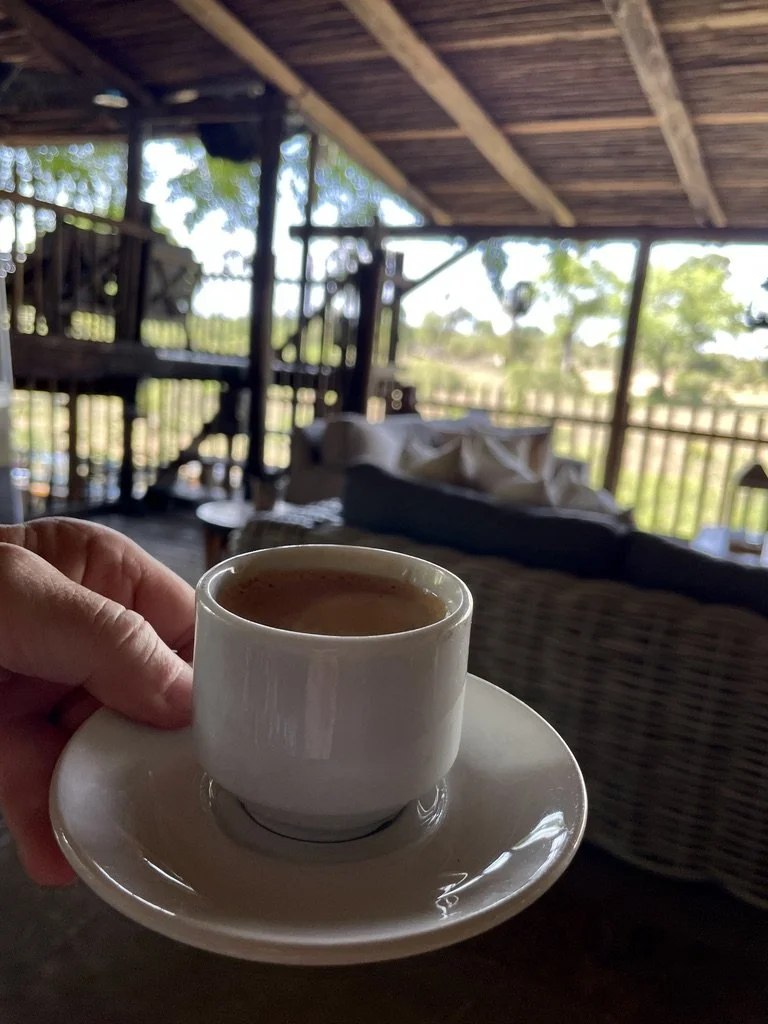
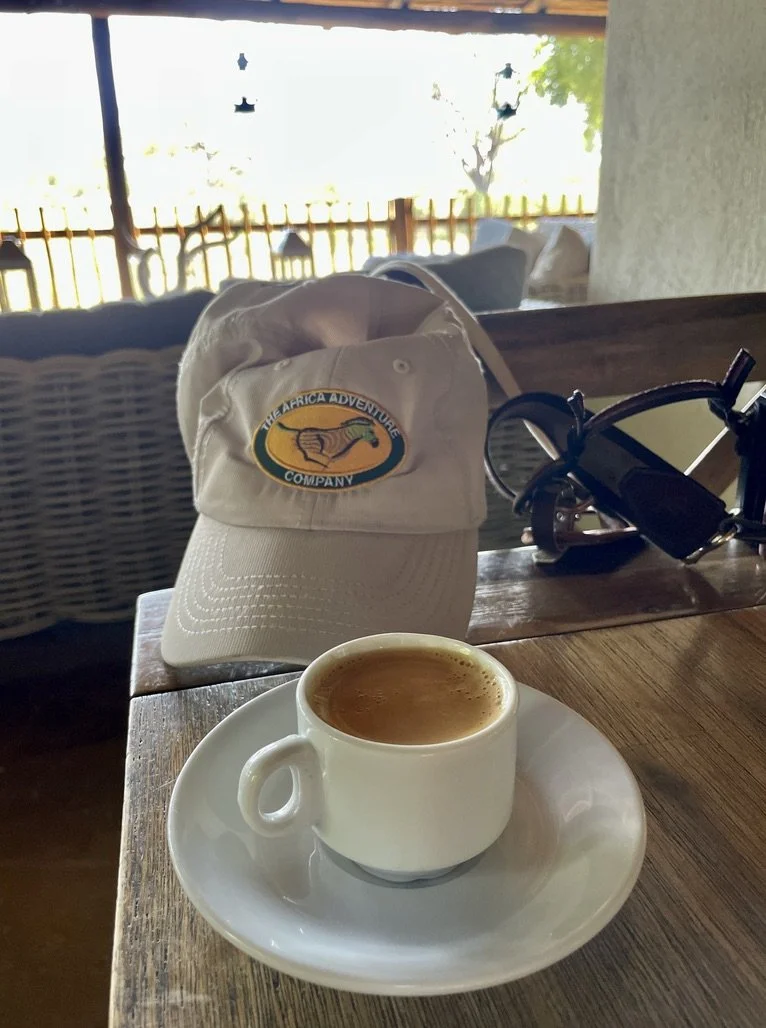
Getting caffeinated while we await the beginning of our journey to Cape Town.
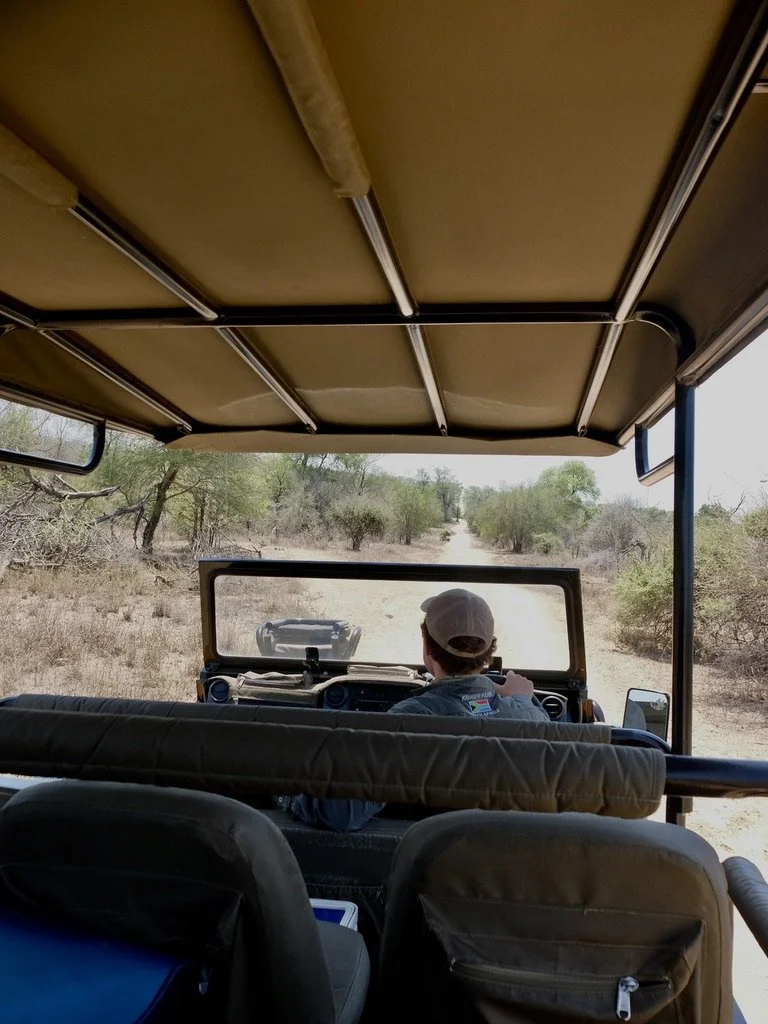
45 minutes to Skukuza Airport Kruger Nat'l Park with our 22 y.o. learning to be a guide, driver. He was sharp as he had found the wild dogs a few days ago by following the spoor. Today he spotted…
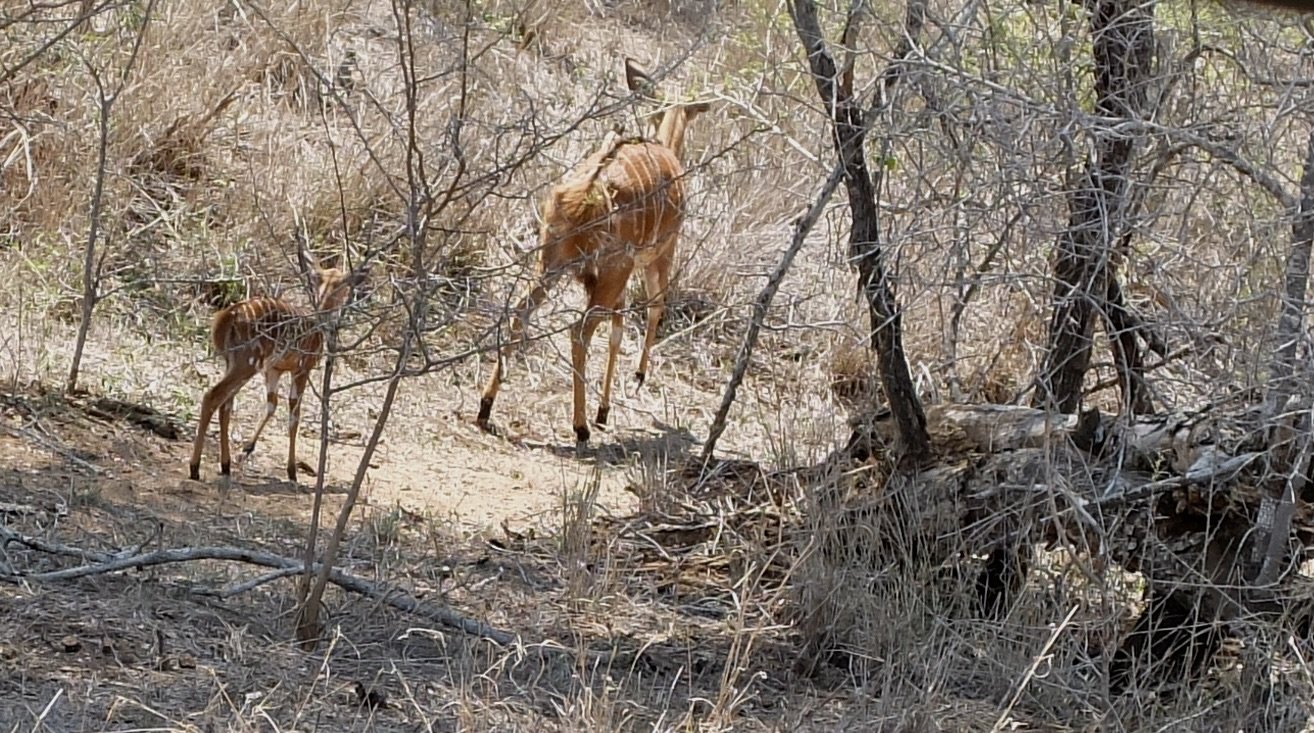
..a new born as in “today!” nyalah with mom.
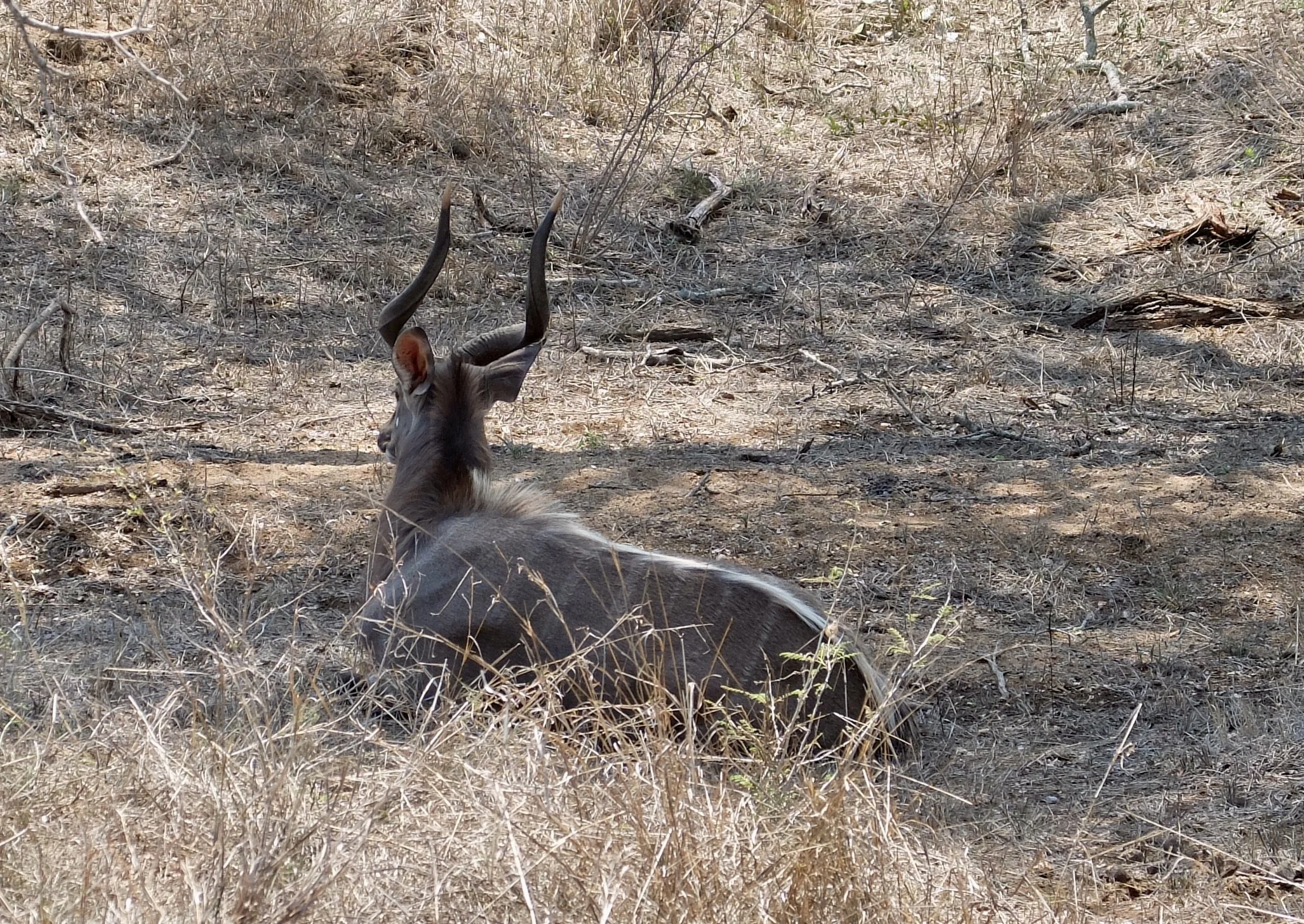
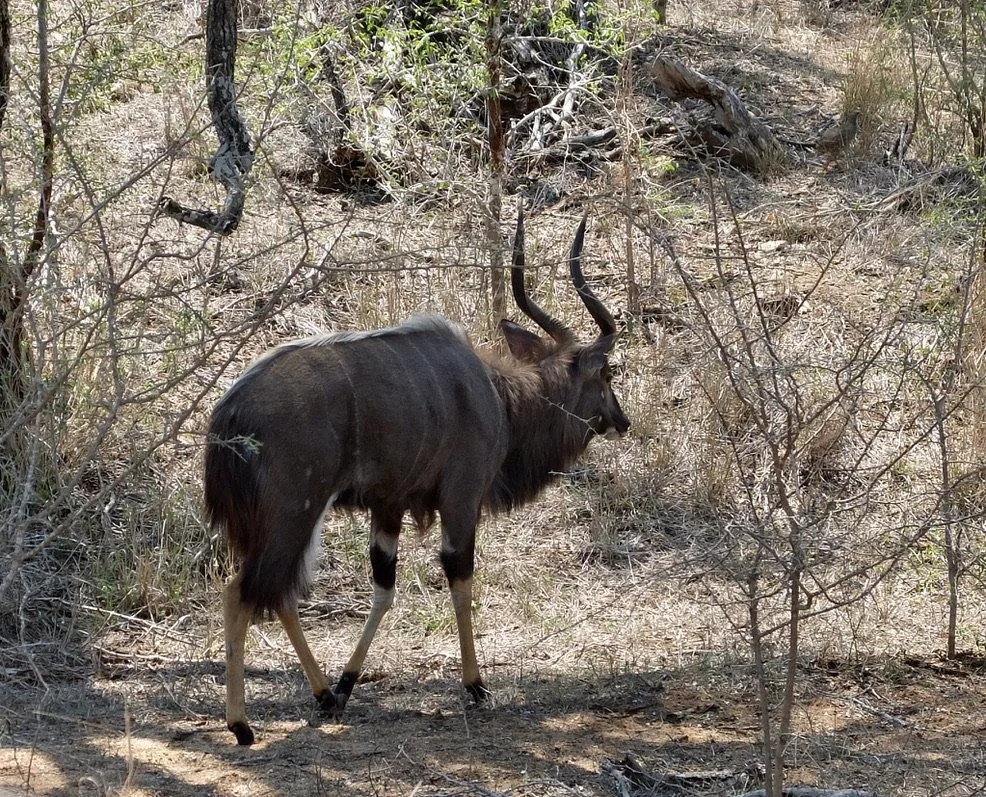
A male nyalah but according to our guide,…
…not the father.
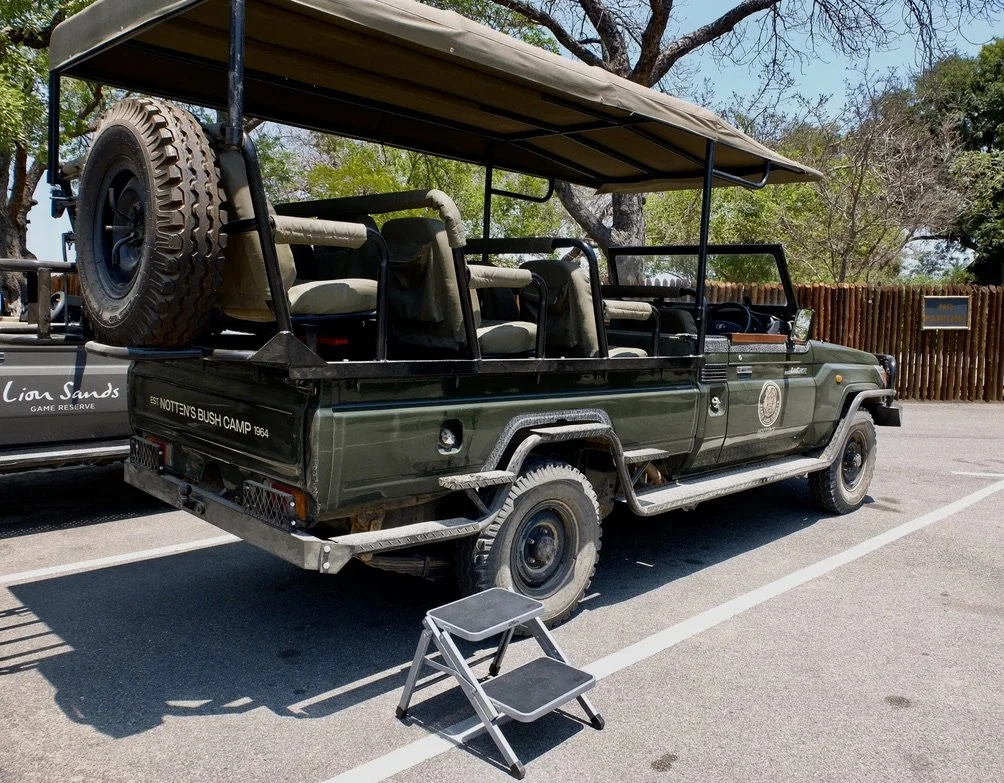
I had no trouble accessing the upper back seats without those steps, but they were nice…
Off to the Cape of Africa.